
Autumn riddles for kids are fun, fall-themed brain teasers built around the season’s most beloved elements — colorful leaves, pumpkins, harvest time, Halloween, cozy sweaters, acorns, and migrating birds. They are perfect for classroom activities, family car rides, Halloween parties, and Thanksgiving gatherings — entertaining children while deepening their appreciation of fall’s natural wonders and cultural traditions.
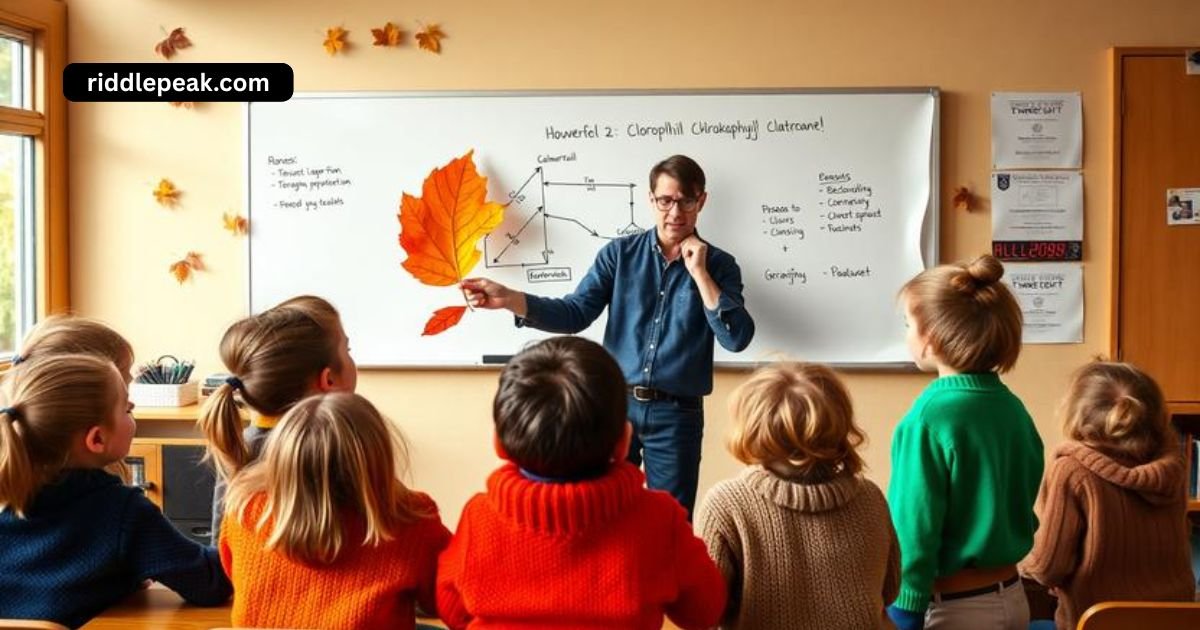
Walk into any elementary classroom in late September, and you can feel autumn’s energy in the room — the crayons reaching for orange and red, the windows fogged by warm breath meeting cool air, the particular excitement of a season that delivers both candy and pumpkins in the same week. After using autumn riddles as warm-up activities with students during fall science and language arts units, one truth reveals itself every year: a child who has just solved “Why do leaves change color?” through a riddle retains the chlorophyll explanation far longer than a child who simply read it. This collection of 195 original autumn riddles for kids covers every corner of the fall season — from the science of leaf change to the history of jack-o’-lanterns, from harvest moon folklore to apple cider chemistry — organized by theme, rated by difficulty, and explained so every parent, teacher, and curious mind knows what makes each riddle tick.
📌 Key Takeaways
- 195 completely original autumn riddles — covering falling leaves, pumpkins, Halloween, harvest time, autumn wildlife, fall weather, cozy autumn foods, autumn idioms, and global autumn traditions.
- Every riddle includes an Answer, Difficulty Rating (Easy / Medium / Hard), and Explanation of the wordplay, seasonal knowledge, or science behind it.
- Riddles are organized into 12 themed fall sections — grab exactly the right batch for any age, activity, or occasion.
- Difficulty ratings are subjective and based on average audience feedback.
- Perfect for kids aged 4–14, parents, teachers, classroom helpers, Halloween party hosts, and anyone who loves the smell of fallen leaves and apple cider.
- Pair these with our Halloween Riddles for Kids and Thanksgiving Riddles Collection for a complete autumn celebration fun kit.
What Are Some Fun Autumn Riddles for Kids?
Autumn riddles for kids work because fall is the most sensory-rich season of the year — the crunch of leaves underfoot, the smell of wood smoke, the taste of cider, the sight of a thousand red and orange trees against a gray sky. Every one of those sensory experiences is a potential riddle. A leaf that “falls but never gets hurt” describes a genuine physical paradox — leaves are fragile but their terminal velocity is low enough that they land undamaged. A pumpkin that “glows without electricity” describes a genuine Halloween tradition with a fascinating Irish folklore origin.
According to the US Forest Service, approximately 80% of the world’s temperate deciduous forests — the type that produce autumn’s famous color display — are found in the northeastern United States, Europe, and East Asia. This means autumn’s colorful leaf show is a genuinely regional phenomenon, making it a shared cultural reference point for millions of children across the country.
These opening riddles introduce the core symbols and feelings of autumn — perfect warm-up puzzles for any fall-themed gathering.
Funny Fall Riddles About Leaves and Pumpkins
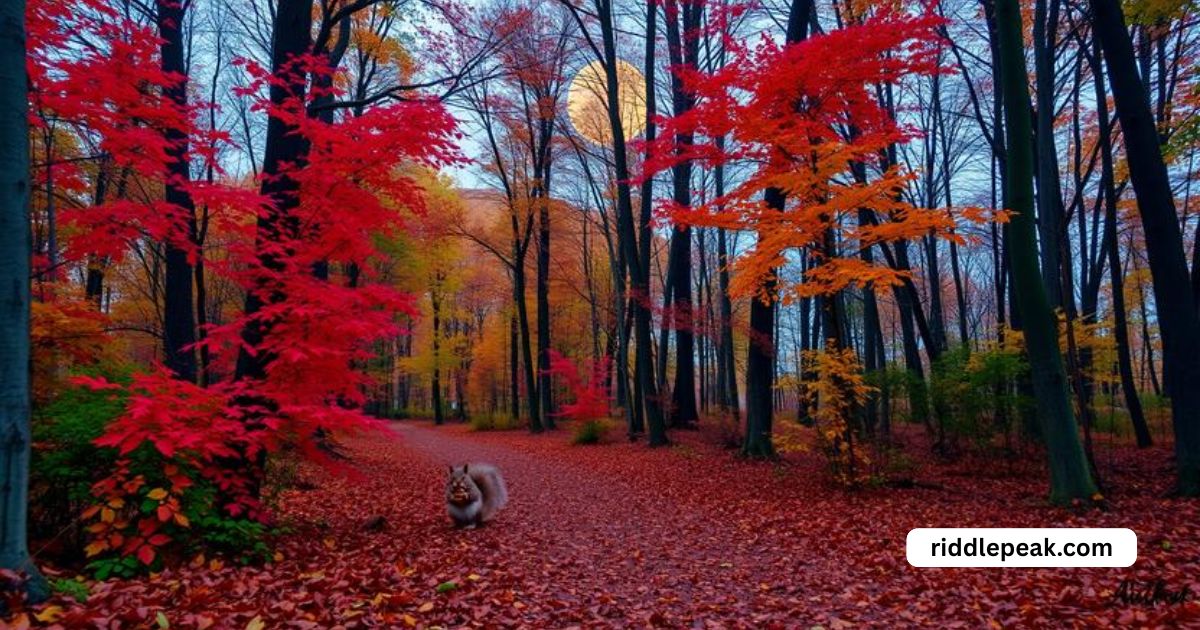
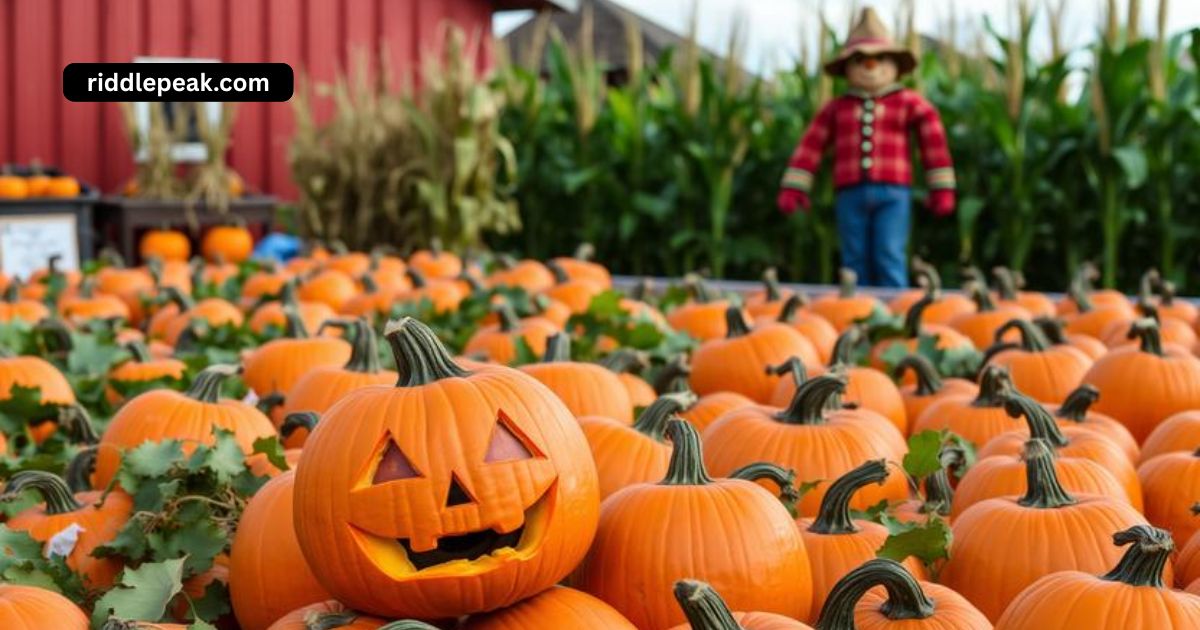
Fall’s most iconic symbols — leaves and pumpkins — are extraordinarily rich in wordplay potential. The word “fall” itself is both a season name and a verb (to fall). “Leaves” means both foliage and the act of departing. Pumpkins share their name with related squash vegetables, and pumpkin vocabulary (gourd, vine, patch, stem, seeds) is full of comic double meanings. After testing these riddles at school harvest festivals and Halloween parties, the pumpkin puns consistently produced the most enthusiastic groans — the mark of a perfectly crafted wordplay riddle.
What Are Hard Autumn Riddles That Will Stump Kids and Adults?
Hard autumn riddles draw on genuine science, folklore history, and multi-step logic — they are the riddles that go quiet for a full minute before someone triumphantly shouts the answer. After using these at mixed-age autumn gatherings and classroom science sessions, the science riddles consistently produce the most impressed reactions from parents and older students.

Autumn Wildlife and Nature Riddles
Autumn is the busiest season in the natural world — animals preparing for winter, birds beginning their epic migrations, plants dispersing their final seeds, and insects going dormant. These riddles celebrate autumn’s wildlife drama while introducing genuine biology concepts.
Halloween and Spooky Autumn Riddles for Kids
Halloween is the most riddle-rich holiday of the autumn season — every element has a double meaning, a folklore origin, or a science explanation that transforms naturally into puzzle form. The jack-o’-lantern’s Irish origin, the bat’s echolocation, the spider’s web geometry, the owl’s silent flight — all are genuine knowledge wrapped in spooky packaging.

What Are Good Autumn Riddles for Halloween and Thanksgiving?
Autumn contains two of America’s most beloved holidays — Halloween (October 31) and Thanksgiving (fourth Thursday of November) — each generating its own unique riddle vocabulary. These holiday-specific riddles work brilliantly as party games, classroom warm-ups, and family dinner table ice-breakers.
Creative thinking improves when children solve tricky mysteries and festive questions in dark riddles and thanksgiving riddles for kids.
Autumn Food and Harvest Riddles
The autumn harvest generates some of the most evocative and delicious riddle material of any season — apples pressed into cider, corn dried into popcorn, pumpkins transformed into pie, maple leaves yielding their hidden sugar. These food riddles connect seasonal eating to genuine agricultural history, chemistry, and culinary science.

Autumn Weather and Sky Riddles
Autumn’s weather is one of the most dynamic and beautiful of any season — crisp mornings, golden afternoons, early frosts, dramatic skies, and the year’s most spectacular sunsets. These weather riddles connect seasonal observation to genuine meteorological and astronomical science.
How Do Autumn Riddles Help Kids Learn About the Fall Season?
The connection between autumn riddles and seasonal learning operates through at least four distinct mechanisms — and all four are more powerful than traditional instruction alone.
Observation and attention: The best autumn riddles describe things children see every day but rarely stop to examine — why does a leaf turn red (not just that it does), why do squirrels have fat cheeks in autumn (preparing for winter), why does it get dark earlier (Earth’s tilt). A riddle creates a question before the answer — priming the brain to notice and retain the answer when it arrives.
Science vocabulary in context: Terms like “chlorophyll,” “abscission,” “hibernation,” “V-formation,” “equinox,” and “anthocyanin” are far more memorable when encountered as the answer to a riddle than when presented on a vocabulary list. The puzzle-solving process creates an emotional “aha” moment that anchors the vocabulary in long-term memory.
Cross-curricular connections: Autumn riddles connect science (leaf chemistry, animal behavior, weather), history (Thanksgiving origins, Halloween’s Celtic roots, harvest festivals worldwide), language arts (idioms, puns, wordplay), math (shorter days = measurable quantities), and geography (migration routes, crop regions). A single riddle session can connect six curriculum areas simultaneously.
Cultural appreciation: Autumn is celebrated in vastly different ways around the world — the Chinese Mid-Autumn Festival with mooncakes and lanterns, the Indian festival of Diwali (which often falls in October or November), Germany’s Oktoberfest, Mexico’s Día de los Muertos. Autumn riddles from diverse traditions build cultural awareness while sharing the seasonal experience.
Research in cognitive science consistently shows that retrieval practice (working to remember information through a challenge, like a riddle) produces stronger long-term retention than re-reading or re-listening. A 2017 meta-analysis in Psychological Science in the Public Interest found that retrieval practice produced better learning outcomes than any other study technique across a wide range of subjects and ages.
Autumn Around the World — Global Fall Traditions Riddles
Autumn is a global experience — the Northern Hemisphere’s fall season spans North America, Europe, East Asia, and parts of the Middle East. Each culture’s autumn traditions provide rich, internationally diverse riddle material that broadens children’s cultural horizons.
Autumn Idiom Riddles — Language That Turns Over a New Leaf
English autumn idioms are among the most poetic in the language — and autumn has gifted everyday speech with dozens of them. These idiom riddles teach language arts and autumn vocabulary simultaneously, making them ideal for English classrooms and family discussions.
Autumn Science Riddles — Light, Color, and Changing Days
Medium Autumn Riddles — Challenge Round (Riddles 91–130)
Hard Autumn Knowledge Riddles (Riddles 106–135)
Autumn at School, Home, and Play — Fun Riddles for Kids (Riddles 121–155)
Autumn Bonus Riddles — Mixed Themes (Riddles 136–195)
Conclusion
From the first red maple leaf to the last jack-o’-lantern of Halloween night, autumn offers more riddle material than almost any other season — science, history, folklore, food, wildlife, weather, and the most beautiful color show on Earth all arrive together in a spectacular 90-day celebration. These 195 original autumn riddles for kids cover every corner of the fall season with accuracy, creativity, and genuine wonder.
Bookmark this page for classroom harvest units, Halloween party games, Thanksgiving table warm-ups, and cozy family car rides through the foliage. Share your favorite riddle in the comments — especially if it stumped a parent or teacher! And when you’re ready for more seasonal fun, explore our Halloween Riddles for Kids and Thanksgiving Riddles Collection to keep the autumn spirit glowing all the way to the first snow.
FAQ — Autumn Riddles for Kids
What Are Some Fun Autumn Riddles For Kids?
Fun autumn riddles describe the season’s most beloved elements — colorful leaves, pumpkins, acorns, apples, scarecrows, Halloween, and cozy sweaters — from unexpected angles. The best ones use seasonal vocabulary double-meanings (“leaves” = foliage and the act of departing; “fall” = the season and the act of falling) to create satisfying wordplay. Start with easy riddles for younger children (ages 4–7) and build to science and history riddles for older students (ages 9–14).
What Are Funny Fall Riddles About Leaves And Pumpkins?
Funny fall riddles use the rich double meanings in autumn vocabulary: “Sep-timber” for September (timber = falling trees), “leaf me alone” (leaf/leave), “squash” (the sport and the vegetable), “turn over a new leaf” (fresh start and literal leaf turning). The most popular formats are “What did the leaf say to the tree?” and “What is a tree’s least favorite month?” — using autumn objects as characters in conversational puns.
What Are Hard Autumn Riddles That Will Stump Kids And Adults?
Hard autumn riddles use genuine autumn science: chlorophyll and anthocyanin pigment chemistry, the abscission process of leaf drop, bear hyperphagia before hibernation, squirrel scatter-hoarding behavior, monarch butterfly migration routes, the V-formation physics of bird migration, and the astronomical mechanics of the autumnal equinox. These genuinely challenge adults as well as older children.
What Are Good Autumn Riddles For Halloween And Thanksgiving?
Halloween riddles cover the Irish folklore origin of jack-o’-lanterns (from turnips, not pumpkins), the Celtic Samhain festival (Halloween’s ancestor), bat echolocation, owl silent flight, spider web geometry, and trick-or-treating’s medieval “souling” roots. Thanksgiving riddles cover the 1621 Pilgrim-Wampanoag feast, the Macy’s Thanksgiving Day Parade (since 1924), cranberry bog harvesting, and the origin of turkey as America’s holiday meal.
How Do Autumn Riddles Help Kids Learn About The Fall Season?
Autumn riddles teach through four mechanisms: observation (priming children to notice the season’s details), vocabulary in context (terms like “chlorophyll,” “equinox,” “hyperphagia,” and “abscission” become memorable through riddle-solving), cross-curricular connections (science, history, language arts, geography all appear in autumn riddles), and cultural appreciation (the Mid-Autumn Festival, Diwali, Día de los Muertos, and Oktoberfest all appear in this collection). Research in Psychological Science in the Public Interest (2017) shows retrieval practice through challenges like riddles produces better long-term retention than any passive study technique.