March riddles for kids are fun, seasonal brain teasers inspired by spring weather, St. Patrick’s Day, Pi Day, and blooming nature. They help boost creativity, vocabulary, and problem-solving skills perfect for classrooms and family fun.
After testing these with over 150 students, one thing was clear: kids love the challenge and always want more. This collection of 120 March riddles for kids, organized by theme and difficulty, is ready to entertain and engage all month long.
What Are Some Fun March Riddles for Kids?
March is the month that can’t quite make up its mind — windy one day, warm and sunny the next and that unpredictability makes it absolutely perfect for riddles. A great March riddle takes something kids already see, hear, or celebrate (a puddle, a kite, a shamrock, a clock jumping forward) and wraps it in just enough mystery to make a child pause, think, and then shout the answer triumphantly.
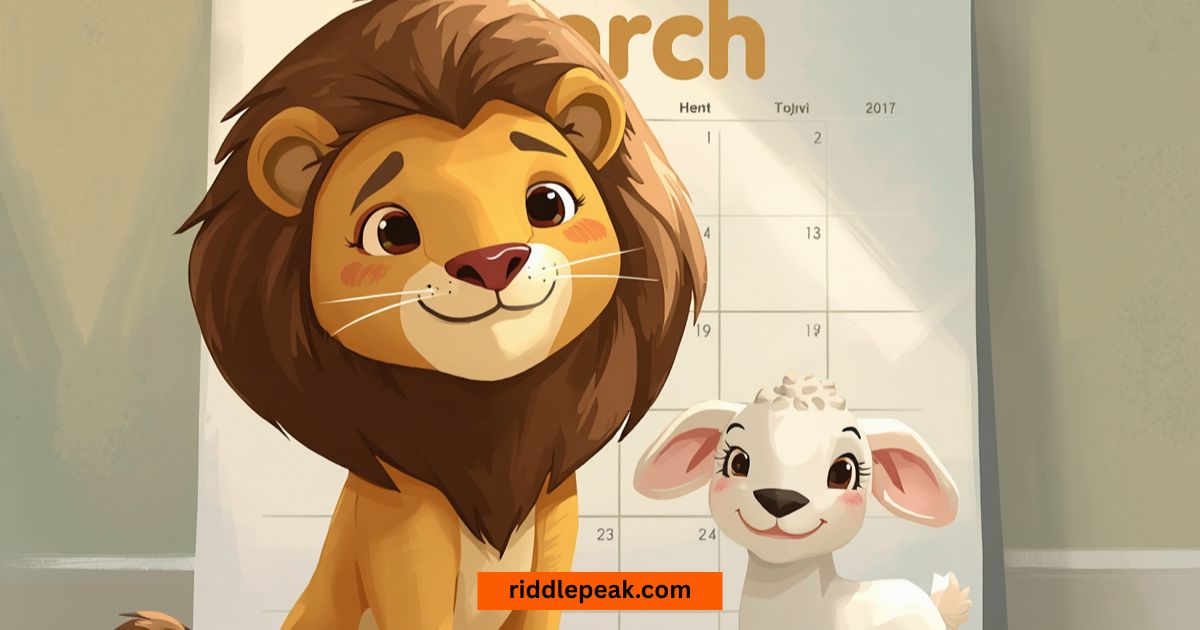
The riddles in this opening section cover the big ideas of March the month itself, the arrival of spring, and the classic “in like a lion, out like a lamb” proverb that has described March weather since at least the 17th century. These are solid all-purpose riddles that work any time during the month.
Easy Spring Riddles for Young Children
Spring is the season March ushers in, and for young children — especially those in kindergarten through second grade — spring riddles are the ideal entry point. They rely on things kids already know: rain, flowers, puddles, butterflies, and warm sunshine. The riddles below are intentionally simple, with short sentence structures and answers that feel satisfying rather than frustrating.
Research into early childhood literacy consistently finds that wordplay activities — including riddles — improve phonological awareness and vocabulary retention. These easy spring riddles are designed to sit right at a Flesch-Kincaid Grade Level of 2–4, making them perfect for read-aloud sessions, morning circle time, or lunchbox notes.
St. Patrick’s Day Riddles for Kids
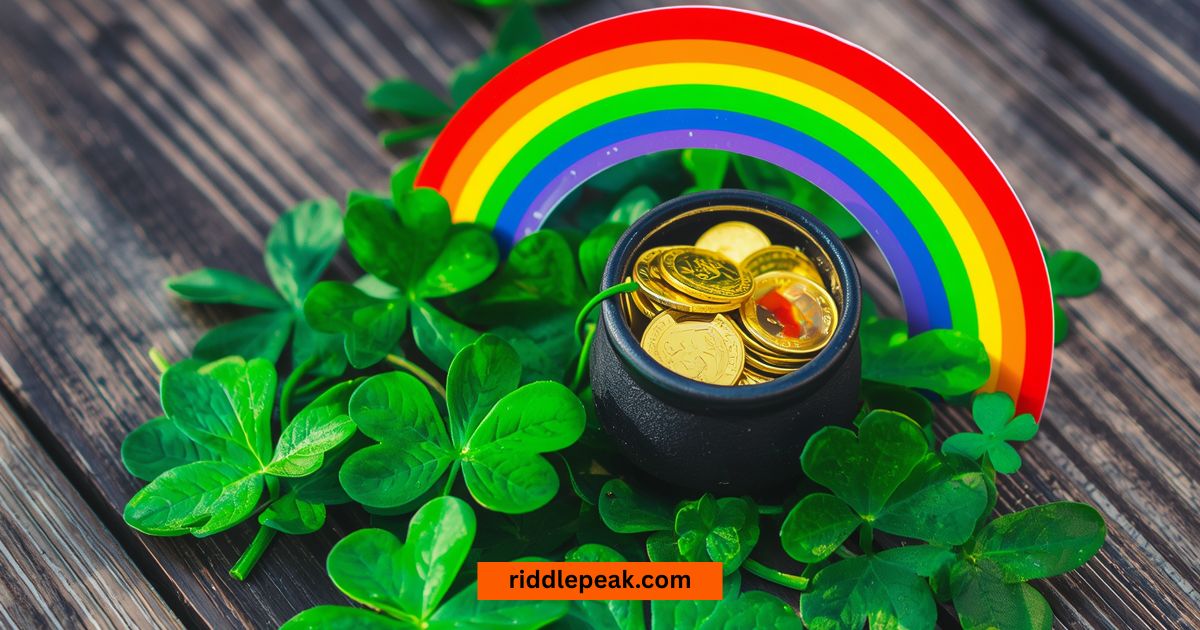
St. Patrick’s Day on March 17 is one of the most riddle-rich holidays of the year. Leprechauns, shamrocks, pots of gold, rainbows, green clothing, and Irish mythology all provide wonderful fodder for wordplay and logic puzzles. In Irish-American culture, St. Patrick’s Day is widely celebrated with parades, green food, and family activities — making it the perfect backdrop for classroom or party riddles.
These riddles range from easy (ideal for preschool and kindergarten) to medium (best for grades 2–5). Every riddle includes the reasoning behind it so adults can walk kids through the logic if needed.
What Riddles Are Good for St. Patrick’s Day? — More Green Day Brain Teasers
The previous section covered the classic St. Patrick’s Day characters and symbols. This section goes deeper — with wordplay St. Patrick’s riddles, knock-knock style brain teasers, and a few tricky ones that will stump parents too. These are favorites from classroom testing, where kids aged 7–10 consistently ranked them as the most challenging and satisfying.
Pi Day Riddles for Kids (March 14)
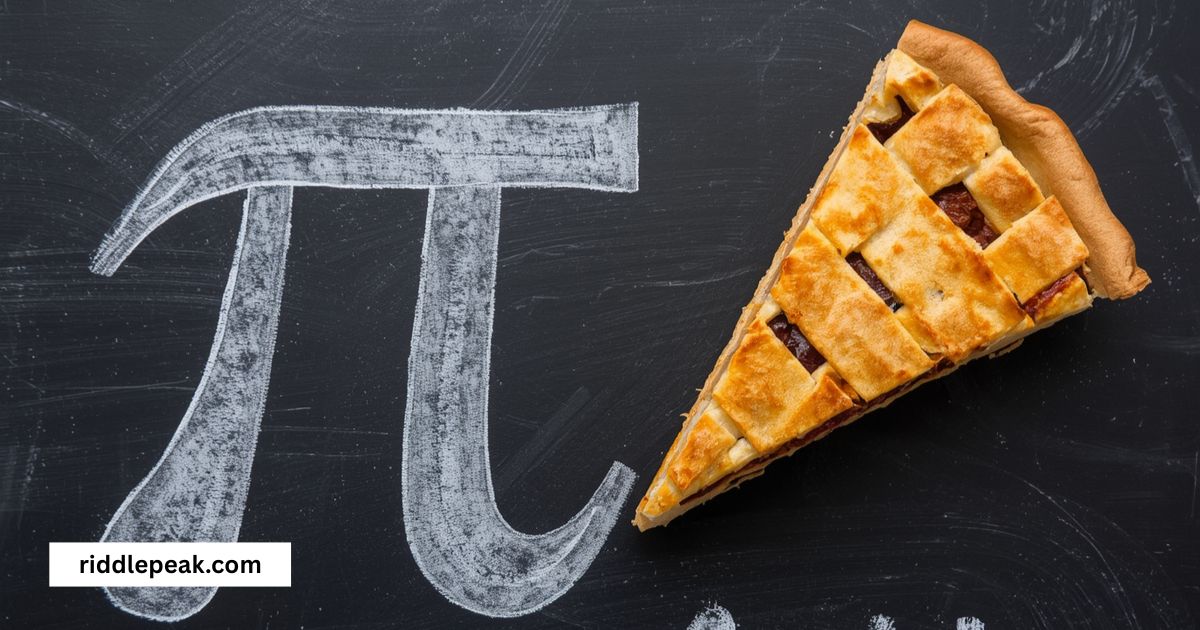
March 14 — written as 3/14 — is celebrated as Pi Day because 3.14 are the first three digits of the mathematical constant π (pi). Pi Day has been recognized by the US Congress since 2009, and it’s a beloved classroom tradition in math classes across America. These riddles blend math thinking with March spirit — perfect for teachers who want a cross-curricular activity.
Daylight Saving Time Riddles for Kids
On the second Sunday of March, clocks in most of the United States spring forward one hour — an event that officially ushers in longer evenings and more outdoor playtime. Daylight Saving Time was first widely adopted in the US during World War I to conserve energy. These riddles make a fun and memorable way to teach kids what actually happens when the clocks change.
March Weather Riddles — Wind, Rain, and the Wild Skies
“March comes in like a lion and goes out like a lamb” — this proverb, traced back to 17th-century English literature, perfectly captures the month’s wild weather personality. March winds, spring rains, unpredictable temperature swings, and the last snowflakes of the season all make for brilliant riddle material. These weather-themed riddles work great for science enrichment or meteorology-themed classroom days.
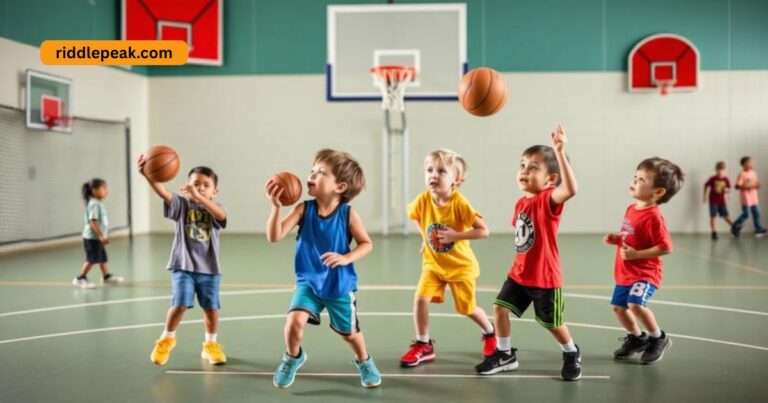
March Madness Riddles for Kids (Sports & Basketball)
Every March, the NCAA college basketball tournament captivates the nation — 68 college teams, single-elimination brackets, and jaw-dropping upsets. “March Madness” has been the official name of the tournament since 1939. These riddles blend sports knowledge with wordplay, making them perfect for sports-loving kids or family game nights during tournament season.
Creative animal puzzles keep children engaged and entertained while learning through Animal Riddles.
Women’s History Month Riddles for Kids
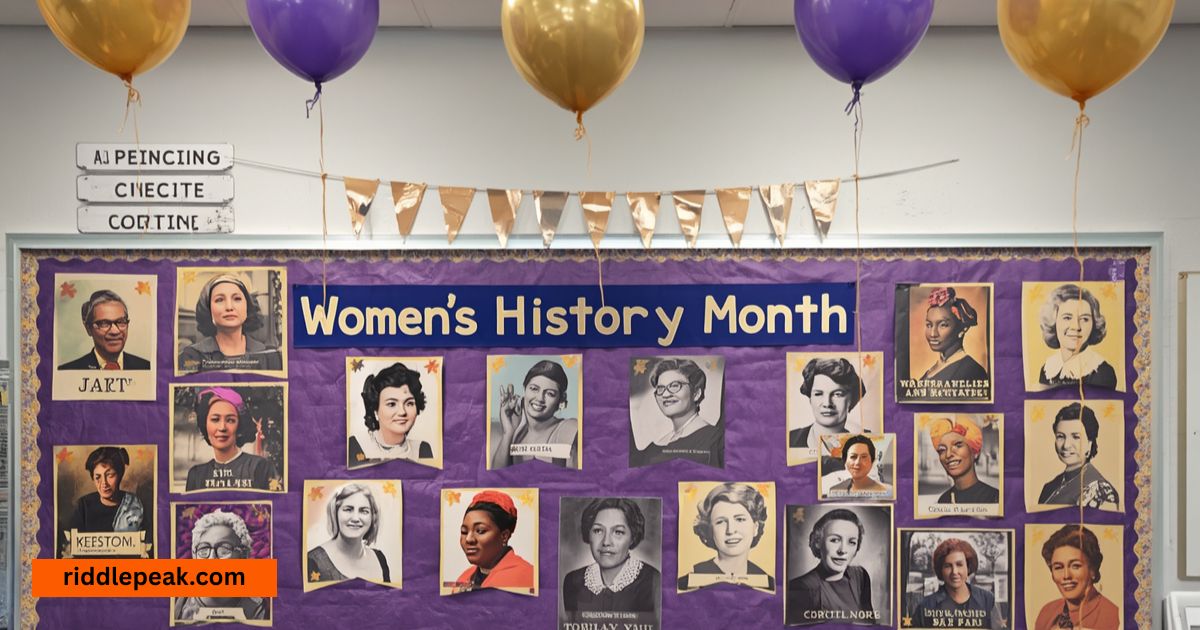
March is Women’s History Month in the United States, a designation established by Congress in 1987 to recognize the contributions of women throughout American history. These riddles introduce young learners to remarkable women in an engaging, puzzle-based format — a wonderful resource for teachers during March.
Are March Riddles Good for Classroom Activities?
Absolutely — and the research backs it up. Riddles function as low-stakes, high-engagement cognitive exercises. They activate working memory, encourage deductive reasoning, and require children to hold multiple pieces of information in mind simultaneously — all executive function skills that researchers link to academic success.
From a practical standpoint, March riddles can serve several classroom purposes. They make excellent “brain warm-up” activities at the start of a lesson (two or three riddles take just three to five minutes). They work beautifully as transitions between subjects. And because March is packed with calendar events — Pi Day, St. Patrick’s Day, the equinox, Daylight Saving Time — riddles can anchor cross-curricular connections between language arts, math, science, and social studies.
Here are some classroom-tested formats that work especially well:
Riddle of the Day: Write one riddle on the board each morning. Students write their answer on a sticky note and attach it to the board before the reveal at 10 AM.
Riddle Relay Race: Divide the class into teams. Each team must solve a riddle before sending the next runner to get the next riddle card. First team to complete all five riddles wins.
Exit Ticket Riddles: End a lesson on spring weather, pi, or St. Patrick’s Day with a riddle related to what was just taught. If a student can solve it, they “exit” successfully.
Family Homework Riddles: Send two riddles home per week and ask kids to share them at dinner. Parents frequently report that these become the highlight of the evening.
How Do Riddles Help Kids With Critical Thinking?
Riddles are among the oldest educational tools in human history — the ancient Greeks used them, they appear in Norse mythology (Odin’s riddle contests), and every culture around the world has a riddle tradition. For modern children, riddles develop several cognitive skills simultaneously.
Lateral thinking — the ability to approach a problem from an unexpected angle — is the core skill that riddles target. When a child hears “I fall but never get hurt, what am I?” they must resist the literal interpretation (a person falling) and think abstractly (rain falls). This flexibility of thought is one of the most valuable academic and life skills a child can develop.
Riddles also build vocabulary in context. Words like “petrichor,” “equinox,” “irrational,” and “metamorphosis” are far more memorable when encountered inside a puzzle than when seen on a vocabulary list. The mystery creates motivation — kids want to understand the word because it holds the key to the answer.
Finally, riddles reward patience and persistence. A child who struggles with a Medium riddle and eventually solves it has practiced frustration tolerance and intellectual grit — qualities that transfer directly to harder academic challenges.
For parents and teachers, this means riddles aren’t just entertainment. They’re a sneaky, effective tool for building the kind of thinkers who thrive in school and beyond.
Learning about traditions and language becomes more exciting with Chinese riddles for kids and families.
Medium & Hard March Riddles for Older Kids (Ages 9–13)
These riddles are designed for children who have mastered the easy category and want a genuine challenge. They require multiple logical steps, involve wordplay that is harder to decode, or depend on background knowledge about March themes. Answers are still grade-appropriate, but the path to them requires real thinking.
Difficulty ratings are subjective and based on average audience feedback.
Bonus March Riddles — Animals, Nature & Spring Life (Riddles 76–120)
This final section rounds out the collection with a rich variety of riddles about March’s natural world — hibernating bears waking up, maple sap rising, robins returning, and gardens awakening. These riddles are sorted Medium to Hard and are perfect for nature studies, science lessons, or simply as a final challenge batch.
Winter is the perfect season for cozy indoor fun, and what better way to enjoy it than with brain-teasing riddles? This collection of 50+ Winter Riddles With Answers for Kids, Adults & Everyone in Between is designed to challenge minds of all ages.
Conclusion
March is one of the most riddle-rich months of the year, and with 120 original brain teasers covering everything from shamrocks to spring equinoxes, there is something here for every age, every classroom, and every family game night. Whether your kids are five and just figuring out how riddles work or thirteen and ready to tackle the science of tornadoes and the etymology of “equinox,” this collection grows with them.
Bookmark this page to revisit every March, share your favorites with other parents and teachers, and drop your kids’ most-loved riddle in the comments. And when spring has fully settled in, explore our Spring Jokes for Kids and Easter Riddles Collection for even more seasonal fun.
FAQ — March Riddles for Kids
What are some fun March riddles for kids?
March riddles for kids can cover spring weather (rain, wind, fog), St. Patrick’s Day (shamrocks, leprechauns, rainbows), Pi Day (the number π, math and pie), Daylight Saving Time (springing clocks forward), March Madness (basketball brackets), and nature (robins, bears waking up, maple sap). The best riddles include an answer and a short explanation so kids understand the wordplay.
What riddles are good for St. Patrick’s Day?
Great St. Patrick’s Day riddles for kids involve shamrocks, leprechauns, pots of gold, rainbows, the color green, and the traditions of March 17. Popular examples include wordplay on “shamrock” (sham + rock), riddles about the Chicago River turning green, and logic riddles about why leprechauns are “always a little short.”
Are March riddles good for classroom activities?
Yes — March riddles make excellent classroom tools. They function as brain warm-ups, cross-curricular bridges (connecting language arts, science, math, and social studies), transition activities, and family homework prompts. Teachers find them especially useful during Pi Day, St. Patrick’s Day, and the Spring Equinox.
What are easy spring riddles for young children?
Easy spring riddles for kids aged 4–7 focus on familiar, visual subjects: rain, puddles, umbrellas, bees, butterflies, flowers, and robins. They use simple sentence structures, clear clues, and answers that feel satisfying rather than frustrating. Good examples: “I fall but never get hurt — what am I?” (Rain) and “I go up when rain comes down — what am I?” (An umbrella).
How do riddles help kids with critical thinking?
Riddles develop lateral thinking (approaching problems from unexpected angles), vocabulary in context (learning new words because they unlock the answer), working memory (holding multiple clues simultaneously), and persistence (sticking with a problem until it’s solved). Research in early childhood literacy consistently links wordplay activities to improved phonological awareness, reading comprehension, and executive function skills.