
Easter riddles are fun, holiday-themed brain teasers about eggs, the Easter Bunny, spring, and chocolate treats. They make Easter celebrations more interactive while boosting thinking and vocabulary skills.
After testing these riddles with kids, one thing is clear: they turn every egg hunt and classroom activity into a more exciting experience. This collection of 150 Easter riddles with answers, organized by theme and difficulty, is designed to entertain, educate, and bring festive fun.
What Are Some Fun Easter Riddles for Kids?
Easter riddles for kids work because they tap into the sights, sounds, and experiences that make Easter so vivid in a child’s memory — the pastel colors of painted eggs, the crinkle of Easter basket grass, the sugar-coated chew of a jelly bean, and the exciting suspense of an egg hunt. Every sensory detail of Easter is a potential riddle waiting to be written.
The best Easter riddles do three things at once: they describe a familiar Easter object in an unfamiliar way, they create just enough mystery to require thinking, and they deliver a satisfying “click” when the answer arrives. A riddle that says “I am round and I crack” is too obvious. But one that says “I hide in the grass, I cannot run, yet children hunt me every spring” rewards the solver for thinking.
According to the National Retail Federation, approximately 80% of Americans celebrate Easter, making it one of the most widely observed holidays in the country. The average American spends over $20 on Easter candy alone. That shared cultural experience — the egg hunts, the baskets, the candy — is exactly what makes Easter riddles so universally accessible.
These opening riddles introduce the core Easter symbols and serve as perfect warm-up puzzles for children aged 4–9. They are the riddles that start an Easter game night, go inside plastic eggs for an egg hunt, or appear on a classroom whiteboard the week before the holiday.
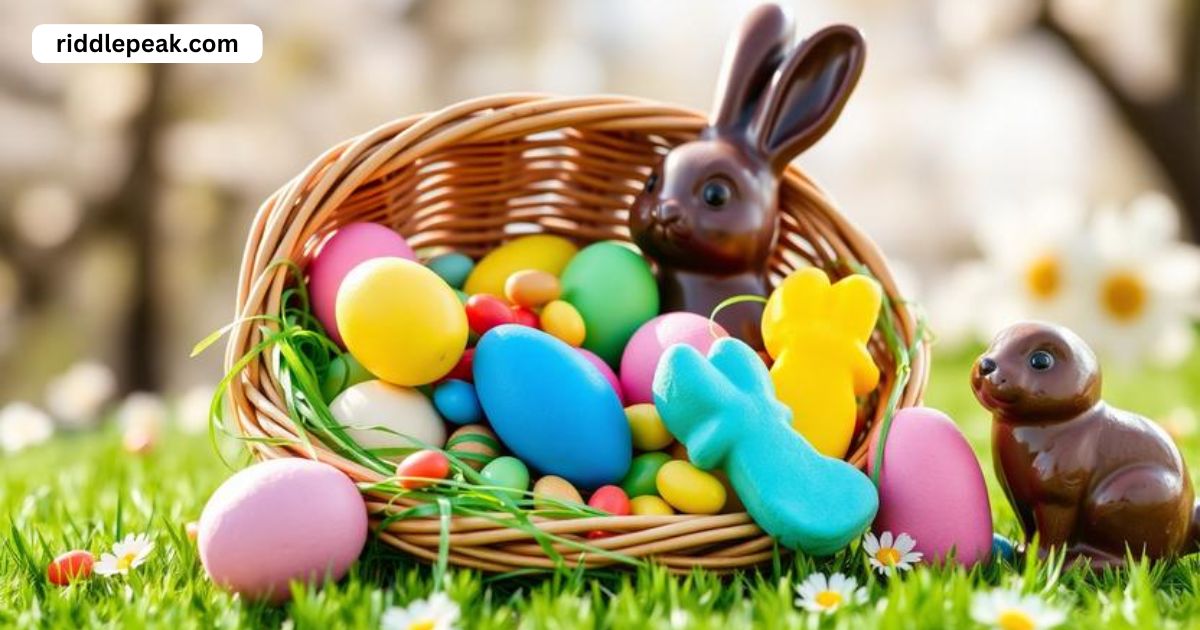
Funny Easter Riddles With Answers — Egg Puns and Bunny Humor
Easter puns are among the most beloved in the holiday riddle world — and that is entirely because the word “egg” is spectacularly pun-friendly. Egg-cellent, egg-cited, egg-sactly, egg-splanation — the list is nearly endless. After sharing egg puns with groups of all ages, the greatest discovery is that adults groan the loudest and remember them the longest.
The humor in Easter riddles typically comes from three techniques: homophones (words that sound alike — “hare” and “hair”), embedded words (hiding a word inside another — “egg” inside “egg-cellent”), and misdirection (leading the solver toward the wrong answer before the correct one clicks). These three mechanisms account for roughly 90% of all Easter riddle humor.
Boost creativity and emotional understanding with our 150 Sweet Love Riddles for Kids, offering fun puzzles that teach kindness and thinking skills together.
What Am I? Easter Riddles — Descriptive Brain Teasers for All Ages
“What Am I?” riddles are the gold standard of the riddle world — they describe an object through its properties, behaviors, and associations without ever naming it. Easter is exceptionally rich territory for this format because every Easter object has multiple distinctive features that can be described from surprising angles.
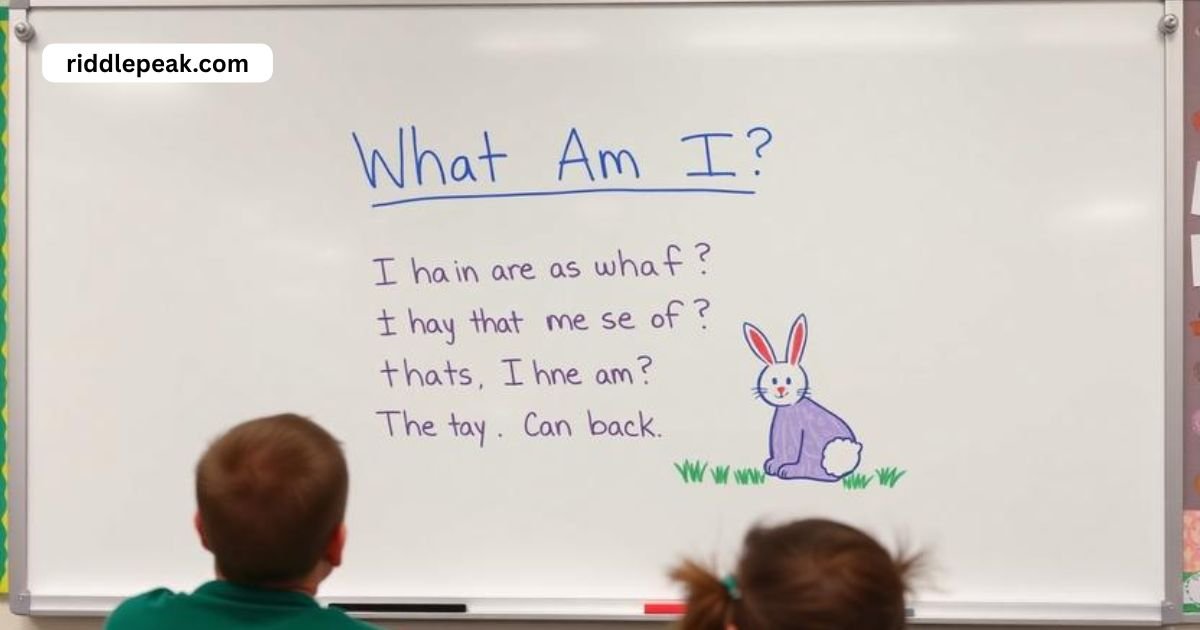
These riddles are particularly effective in the classroom, where teachers can read them aloud and have children write guesses on whiteboards or paper before the reveal. They work equally well stuffed inside plastic Easter eggs during an egg hunt — the challenge of solving the riddle becomes part of the hunt itself.
Easter Egg Hunt Riddles and Scavenger Hunt Clues
One of the most searched Easter riddle use cases — and one almost entirely ignored by competitors — is the Easter egg scavenger hunt. Rather than a traditional egg hunt where eggs are hidden randomly, a scavenger hunt uses riddles as clues that lead from one location to the next, culminating in a final prize. This format works beautifully for children aged 6–14 and transforms a 10-minute egg hunt into a 30-minute adventure.
After setting up Easter scavenger hunts using riddle clue cards inside plastic eggs, the feedback from both children and parents is consistent: the riddle hunt is remembered years longer than the traditional egg hunt. The puzzle-solving element adds a layer of engagement that transforms passive searching into active thinking.
Each riddle below points to a specific location in a typical home or garden. Print them, fold them, and place each inside a numbered plastic egg.

Easter Bunny Riddles — What Do You Know About the Easter Bunny?
The Easter Bunny is one of the most beloved secular Easter figures — but his history is surprisingly rich and surprisingly old. According to cultural historians, the Easter Bunny derives from the “Osterhase” (Easter Hare) of German Lutheran tradition. German immigrants brought this tradition to Pennsylvania in the 18th century, where it gradually spread across America. These riddles blend Easter Bunny humor with genuine cultural history.

Religious Easter Riddles — Faith, Tradition, and the Meaning of Easter
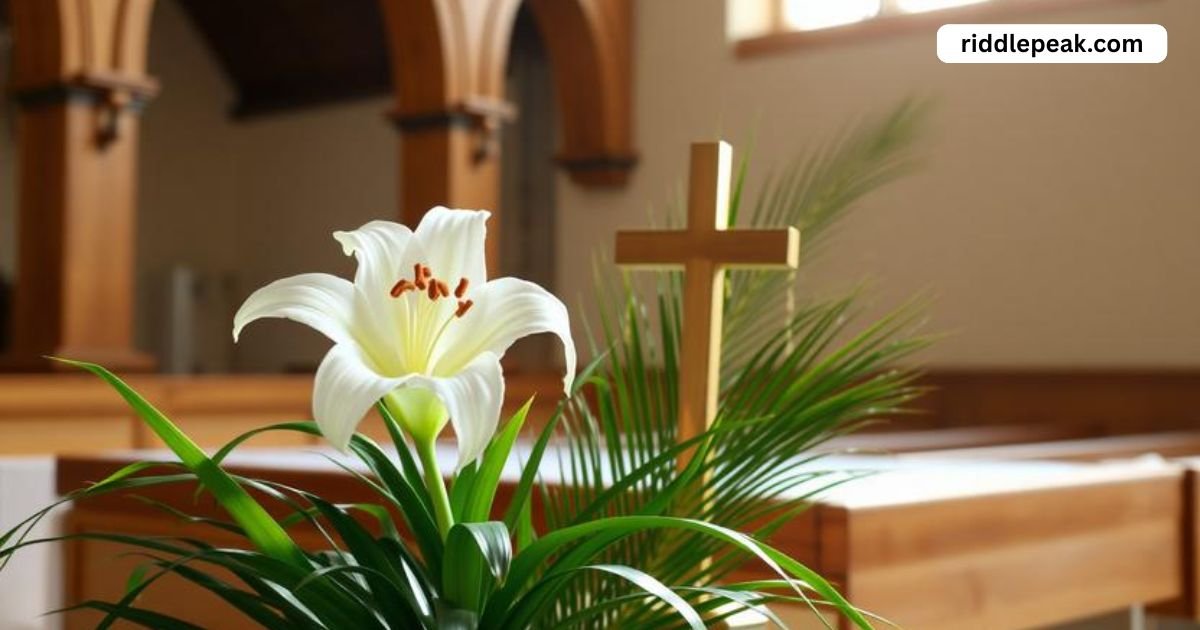
Easter is first and foremost a Christian holiday — the celebration of the resurrection of Jesus Christ, which Christians observe on the first Sunday after the full moon following the spring equinox. These riddles explore the religious and historical dimensions of Easter with accuracy, reverence, and age-appropriate engagement. They are ideal for Sunday school classes, Christian family Easter celebrations, and religious education settings.
Spring Nature Riddles for Easter — Birds, Flowers, and New Life
Easter’s timing is inseparable from the natural world — it occurs in spring, when the world is literally reborn after winter. These riddles celebrate the spring nature that provides the backdrop for every Easter celebration, from the return of robins to the blooming of daffodils, and introduce genuine science and natural history through the puzzle format.

Easter Food Riddles — Hot Cross Buns, Chocolate, and Feast Traditions
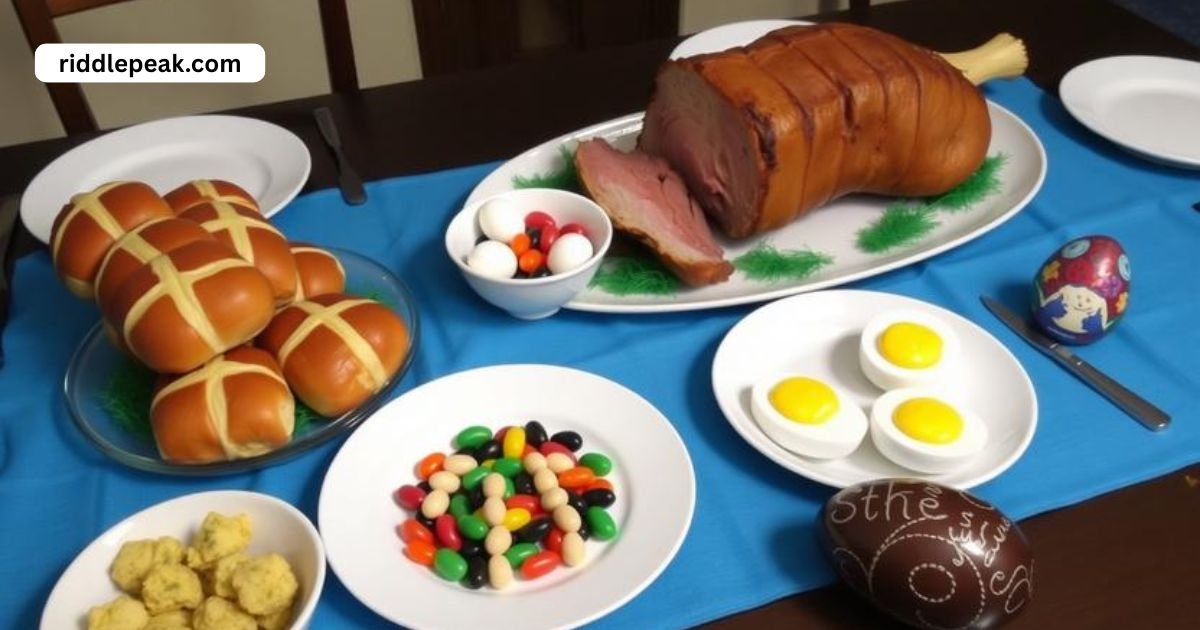
Easter is one of the great food holidays — lamb dinners, hot cross buns, deviled eggs, Easter bread, and of course the candy bonanza of chocolate eggs and jelly beans. These riddles celebrate Easter’s rich culinary traditions with flavor, history, and a healthy dose of food pun humor.
Hard Easter Riddles for Adults and Older Kids
These riddles require genuine lateral thinking, knowledge of Easter history, religious context, or wordplay at a level that will stump most adults on first encounter. They are the riddles that go quiet for a full minute — and then produce “oh WOW” rather than “oh, I knew that.”

How Do Easter Riddles Make Holiday Celebrations More Fun?
The answer has both practical and psychological dimensions — and both are worth understanding before you deploy these riddles at your Easter gathering.
On the practical side, Easter riddles solve one of the biggest party planning challenges: keeping children engaged between activities. The egg hunt takes 15 minutes; dinner isn’t ready for an hour; the chocolate has already been eaten. Riddles fill those gaps with zero preparation and maximum participation — you need nothing but this list and a willing audience.
On the psychological side, riddles activate what educational psychologists call the “curiosity gap” — the mental discomfort created by not knowing the answer to a question you’ve been asked. The curiosity gap is one of the most powerful learning motivators known to educational science. When a child hears “I am hunted but never harmed — what am I?” their brain immediately begins searching for a solution. That active search process encodes information far more deeply than passive reception.
Multiple studies in childhood cognitive development support the use of riddles as vocabulary builders, reasoning skill enhancers, and working memory exercises. A 2018 study in the Journal of Language and Literacy found that children who engaged in regular wordplay activities showed significantly stronger reading comprehension scores than control groups.
Here are five specific ways Easter riddles make celebrations more memorable:
Easter Egg Hunt Enhancement: Print riddles on small card stock, fold them, and place one inside each plastic egg. Children solve a riddle to “earn” the candy inside — adding a cognitive challenge to the physical hunt.
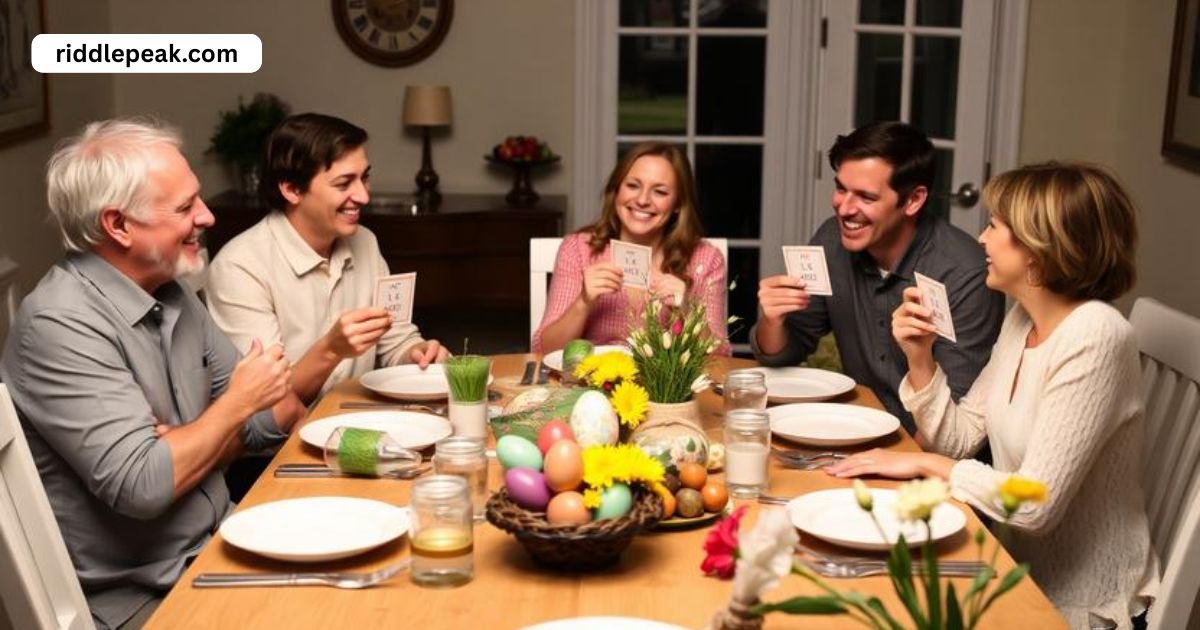
Dinner Table Game: Go around the Easter dinner table and have each family member answer one riddle before they can take a second helping. The laughs and groans become family memories.
Sunday School Warm-Up: Teachers open Easter class with three riddles — one easy, one medium, one hard — as a brain warm-up that introduces the day’s Easter theme.
Car Ride Activity: Easter riddles are perfect for the drive to grandparents’ house — no equipment needed, works in any car, and keeps children engaged for 20–30 minutes easily.
Lunchbox Easter Surprise: Slip a folded riddle into a child’s school lunchbox in the week before Easter. The tiny paper riddle becomes a shared highlight of their school day.
Easy Easter Riddles for Young Children (Ages 4–7)
These riddles are specifically designed for the youngest Easter celebrants — pre-K through first grade. They use concrete sensory language, single-word answers, and clues drawn directly from the most recognizable Easter objects. They work beautifully read aloud, printed on Easter cards, or hidden inside plastic eggs for the youngest hunters.
Medium Difficulty Easter Riddles — Challenge Round (Riddles 111–130)
Bonus Easter Riddles — Mixed Themes (Riddles 121–150)
Holiday parties and classroom activities become more interactive with creative puzzles from Christmas Riddles.
Conclusion
From the first crinkle of a plastic Easter egg to the final chorus of “He is risen!” at the sunrise service, Easter is the most richly layered holiday of the spring — and these 150 Easter riddles give every age group a way to engage with it more deeply. Whether your Easter celebration is all about the egg hunt and the chocolate, the spring flowers and baby lambs, the family dinner and the bonnets, or the faith and the candles and the ancient liturgy, there is a riddle here that will make someone at your table say “ohhh!” in delight.
Bookmark this page, print your favorites, tuck them into plastic eggs, and share the ones that stump your family in the comments below. For even more seasonal fun, explore our Easter Jokes for Kids and Spring Riddles for All Ages to keep the laughter and learning going through the whole Easter weekend.
FAQ — Easter Riddles
What Are Some Fun Easter Riddles For Kids?
Fun Easter riddles for kids cover the most recognizable Easter symbols: colored Easter eggs, the Easter Bunny, spring flowers like daffodils, Easter basket candy like jelly beans and Peeps, and the season of spring itself. The best riddles include an answer and a short explanation of the wordplay so parents and teachers can explain what makes them clever.
What Are Funny Easter Riddles With Answers?
Funny Easter riddles use brand name puns and wordplay based on “egg” — such as “eggs-hausted” (exhausted), “eggs-press lane” (express lane), “hare-dryer” (hair dryer), and “a practical yolker” (a practical joker). These puns use homophones (words that sound alike), embedded words (hiding a word inside another), and misdirection to make solvers groan and laugh at the same time.
What Are Good Easter Egg Hunt Riddles And Scavenger Hunt Clues?
Good Easter scavenger hunt riddles point to specific locations in the home or garden — the refrigerator, the bed, the front door, the bathtub, the bookshelf, the bird bath, the swing set. Each riddle should be clear enough that children can solve it but creative enough to require thinking. Print them on card stock, fold them small, and place one inside each numbered plastic egg.
What Are Easter Riddles About The Easter Bunny?
Easter Bunny riddles play on the bunny’s physical features (long ears, fluffy tail), his impossible job (delivering eggs even though rabbits don’t lay them), and his name — creating puns like “hare-plane,” “hare-mail,” “hare-brain,” and “eggs-hausted.” The Easter Bunny’s origin in the German “Osterhase” tradition and his arrival in America via Pennsylvania Dutch immigrants also provide rich material for harder riddles.
How do Easter riddles make holiday celebrations more fun?
Easter riddles activate the “curiosity gap” — the brain’s discomfort when facing an unanswered question — which is one of the most powerful learning motivators known to educational psychology. Practically, riddles enhance egg hunts (as prize clues inside plastic eggs), extend family dinner engagement, warm up Sunday school classes, and entertain children on car rides — requiring zero preparation and creating lasting memories.