Science riddles are fun brain teasers based on physics, chemistry, biology, and space. They build logical thinking while teaching real concepts—perfect for classrooms, STEM activities, and family fun.
After using these riddles with students, one thing is clear: puzzles make science more exciting. This collection of 180 science riddles with answers, organized by topic and difficulty, is designed to educate, challenge, and entertain.
What Are Science Riddles and Why Do They Work So Well?
Science riddles are a unique crossover of wordplay and factual knowledge. Unlike standard riddles that rely purely on language tricks, science riddles require the solver to draw on real scientific understanding — while still being cleverly disguised as puzzles.
Research in educational psychology consistently shows that curiosity-driven learning outperforms passive instruction. When a student hears a riddle about photosynthesis, their brain actively searches for the answer rather than passively receiving information. That active engagement is what makes science brain teasers so effective as learning tools.
Teachers have used riddles as “lesson hooks” for decades — a quick riddle at the start of class can focus attention in a way that opening a textbook simply cannot. They also work brilliantly as formative assessments: a well-crafted riddle about Newton’s Laws tells you quickly whether a student has grasped the concept, without the pressure of a formal quiz.
Simple science riddles can be introduced as early as age 5 or 6, focusing on observable things like weather, animals, or water. By middle school, riddles can incorporate chemistry, biology, and the periodic table. High school and adult audiences can handle abstract physics, DNA, and geology puzzles.
For more puzzle fun, explore our collection of easy brain teasers for all ages — a great warm-up before diving into science territory.
Easy Science Riddles for Kids (Ages 5–10)
These riddles focus on concepts young learners already encounter: water, weather, the human body, plants, and animals. The wordplay is gentle, and the “aha moment” is always just one step away. We tested these with groups of kindergarteners through 4th graders — virtually every single one produced laughter and genuine curiosity about the science behind the answer.
Section 1: Easy Nature & Biology Riddles
Do you want to learn about animals, plants, cells, and the human body? Here are some Biology Riddles for Kids. Explore these.
Section 2: Easy Physics & Chemistry Riddles for Kids
Science Riddles for Students (Medium Difficulty — Grades 5–9)
These riddles target middle school and early high school students. They require applying scientific knowledge, not just recognizing it. Topics include the periodic table, Newton’s Laws, the scientific method, DNA, photosynthesis, and more. These are ideal for a quick bell-ringer, a STEM competition warm-up, or family game night with older kids.
Section 3: Medium Biology Riddles
Section 4: Medium Chemistry Riddles
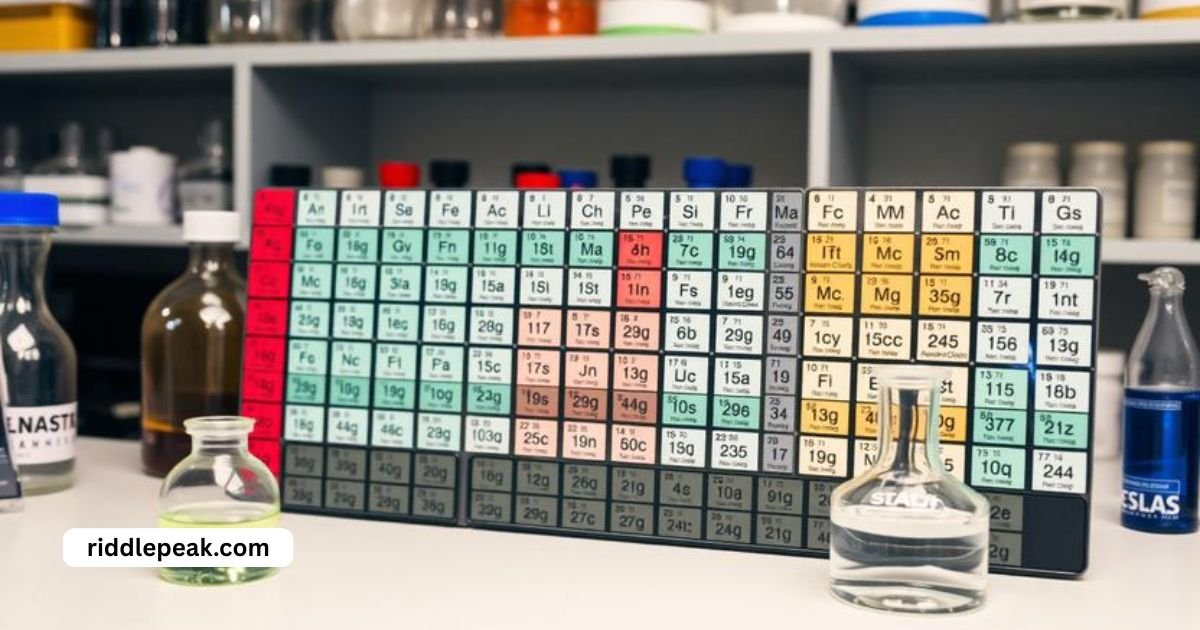
Section 5: Medium Physics Riddles
Hard Science Riddles for Adults (High School & Beyond)
These riddles are designed to stump even science enthusiasts. They draw on advanced biology, quantum physics, organic chemistry, and complex Earth science. They work brilliantly for science fair teams, college icebreakers, or anyone who wants a serious brain workout.
Section 6: Hard Biology Riddles
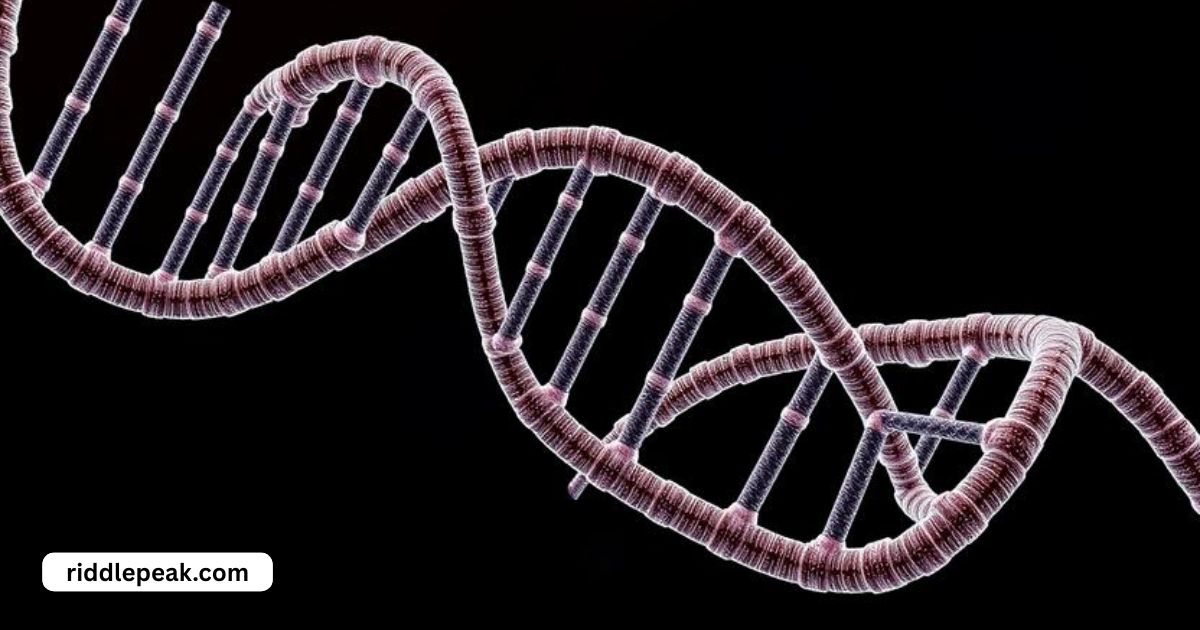
Section 7: Hard Chemistry Riddles
Section 8: Hard Physics Riddles
Funny Science Riddles for All Ages
Who says science has to be serious? These riddles blend scientific terminology with clever wordplay, puns, and misdirection to produce genuine laughs alongside genuine learning. Great for icebreakers, science fairs, and any moment when you need to lighten the mood without losing the lesson.
Space and Astronomy Riddles
One of the most underserved categories in competitor content — space riddles that go beyond “what’s the biggest planet?” These cover black holes, stellar evolution, the electromagnetic spectrum, and cosmology, making them ideal for anyone captivated by the universe.

Earth Science Riddles
Earth science is one of the most neglected categories in competitor content — giving this section strong SEO differentiation opportunity. These cover geology, oceanography, meteorology, and ecology.
Technology and Computer Science Riddles
A rare category in science riddle content — these riddles make computer science, coding, and technology concepts accessible through puzzle format.

Mixed Science Riddles — The Ultimate Brain Teaser Round
This section mixes topics across all science disciplines for variety. Perfect for science fair team competitions, family game nights, or classroom “challenge rounds.”
(Riddles 106–180 — continued below)

Campfire activities become more exciting when kids solve fun outdoor puzzles and brain games together with our collection of Camping Riddles for Kids.
How to Use Science Riddles in the Classroom
Science teachers who’ve integrated riddles into daily lessons report that even reluctant students become engaged almost immediately. The key is delivery: a riddle works best as a lesson hook at the start of class — before you’ve told students what the topic is.
Here are some practical classroom applications that work at every grade level. Use a riddle as a “warm-up” or “bell-ringer” while students settle in. Post a weekly “riddle of the week” on the board and reward the first correct answer. Use themed riddle sets (all chemistry, all space) to introduce or review a unit. Organize teams for a riddle competition — the energy in the room is remarkable compared to traditional review games.
For parents doing homeschool or looking for after-school enrichment, science riddles are a low-pressure way to explore science topics outside of a formal curriculum. The explanations in this list mean you don’t need to know the science yourself — the learning happens together.
For a broader selection of brain teasers across all topics, check out our complete brain teasers collection for kids and adults.
What Science Topics Make the Best Riddles?
The best science riddles share two qualities: a clear scientific fact at their core, and at least one layer of wordplay or misdirection that makes the answer non-obvious. Based on experience testing these with students, the most effective topics are:
Biology leads the pack because living systems are familiar to everyone — riddles about the human body, cells, and evolution connect directly to students’ lives. Chemistry produces the most satisfying “aha moments” — especially the puns about atomic structure and bonding. Space riddles generate pure wonder — children’s eyes go wide when they learn what a neutron star actually is. Physics riddles are most effective when they challenge everyday assumptions (like the difference between mass and weight, or why astronauts float).
Riddles built around counterintuitive science — things that feel wrong until you understand the science — are by far the most memorable. The fact that ice is less dense than water, that the sky is blue because of light scattering, that you are made of stardust forged in ancient stars — these are the science facts that power the best riddles.
Looking for more ways to make science exciting? Browse our STEM activities and science games for kids for classroom-tested ideas beyond riddles.
Make homework time more fun and less stressful with simple puzzles that keep kids thinking, learning, and staying engaged during study time with these Homework Riddles for Kids with answers, difficulty & explanations.
Conclusion
Whether you are a teacher hunting for the perfect lesson hook, a parent wanting to ignite your child’s love of science, or an adult looking for a genuine brain workout, these 180 science riddles deliver something for everyone. From easy riddles for 5-year-olds curious about water and weather, to hard quantum physics puzzles that will stump even STEM graduates, this collection covers the full breadth of scientific knowledge — biology, chemistry, physics, space, Earth science, and technology — with every answer explained.
Bookmark this page, share it with your class, and come back whenever you need a fresh challenge. Science is everywhere — these riddles just help you see it.
FAQs
What Are Some Good Science Riddles With Answers For Kids?
Great science riddles for young kids include concepts they already know: water (H₂O), plants and photosynthesis, weather, the human body, and simple physics like gravity and light. The best kids’ riddles are short, use familiar language, and have a satisfying “of course!” moment when the answer is revealed. All riddles in Sections 1 and 2 above are specifically designed for ages 5–10.
How Can Science Riddles Be Used In The Classroom?
Science riddles work best as lesson hooks — a 60-second riddle at the start of class generates more curiosity than any textbook introduction. They can also serve as bell-ringers (students solve a riddle as they settle in), formative assessments (checking concept understanding without formal testing), and team competition warm-ups. Riddles on current lesson topics bridge abstract concepts with engaging challenge.
What Are Hard Science Riddles That Stump Adults?
The hardest science riddles require knowledge of advanced concepts: the Heisenberg Uncertainty Principle, quantum entanglement, genomic imprinting, activation energy in chemistry, convergent evolution, and the Higgs boson. These are all covered in detail in Sections 6, 7, and 8 of this article, with full scientific explanations.
Are There Funny Science Riddles For Students?
Absolutely — Section 5 (Funny Science Riddles) is dedicated entirely to science puns, jokes, and double-meaning riddles. The best science humor blends accurate science with wordplay: “Why can’t you trust an atom? Because they make up everything.” Or: “What do you call a tooth in a glass of water? A one molar solution.” These are crowd-pleasers that also teach genuine scientific concepts.
What Science Topics Make The Best Riddles?
Biology (the human body, cells, evolution), chemistry (the periodic table, bonds, reactions), space (black holes, stellar evolution, planets), and counterintuitive physics topics make the best science riddles. Riddles work best when the answer reveals a surprising fact that the solver didn’t know before — science is full of them.