
Food riddles for kids are clever “What am I?” brain teasers that describe fruits, vegetables, snacks, meals, and kitchen items through imaginative clues without naming them. They make mealtimes more playful, encourage children to think about what they eat, build vocabulary, and spark conversations about nutrition — turning every meal into a deliciously fun learning adventure.
What if getting a picky eater to think about broccoli was as easy as asking, “I’m a tiny green tree you can eat for dinner — what am I?” After using food riddles during lunchtime with hundreds of kids across classroom settings and family meals, the result is almost always the same: children who giggle at a food riddle about a vegetable are far more likely to try that vegetable on their plate. There’s something powerful about turning food into a puzzle — it shifts the relationship from obligation to curiosity, from “I don’t like it” to “I wonder what it tastes like.”
Food riddles for kids also do double-duty as vocabulary builders, nutrition educators, and cultural conversation-starters. A riddle about sushi opens a discussion about Japan; a riddle about guacamole introduces avocados and Mexican cuisine; a riddle about the Maillard Reaction teaches a chemistry concept that every child can explore in the kitchen. This collection gives you 170 original food riddles for kids organized into 9 themed sections — every one with an Answer, Difficulty Rating, and Explanation of the foodie fact, wordplay, or culinary science behind it.
Key Takeaways
- You’ll find 170 original food riddles for kids — with Answer, Difficulty, and Explanation for every riddle.
- Riddles are organized into 9 themed sections: Easy Fruits, Vegetables, Snacks & Treats, Breakfast Foods, Dinner & Meals, Around the World Foods, Food Puns & Jokes, Food Science Riddles, and Hard Food Brain Teasers.
- Every explanation includes a genuine food fact, cultural context, or science insight.
- A Dinner Table & Lunchbox Deployment Guide shows 5 family-friendly formats.
- The FAQ section answers the most common parent and teacher questions.
- Historical and cultural food facts are woven throughout — perfect for sparking mealtime conversations.
Why Food Riddles Are One of the Best Tools for Mealtime and the Classroom
Food is the most universal human topic — every child, everywhere, eats. That universality makes food riddles uniquely accessible: there is no child on Earth who hasn’t encountered an apple, a banana, a cookie, or a piece of bread. When a riddle describes a food the child already knows, solving it produces a satisfying “of course!” moment. When it describes a food they don’t yet know — like umami, the savory fifth taste discovered by Japanese chemist Kikunae Ikeda in 1908, or the reason a cut apple turns brown — it opens a door to genuine curiosity.
At home, food riddles are one of the most practical tools for transforming mealtimes into engaged family time. Pediatric nutritionists consistently note that the more children discuss, think about, and engage with food before eating it, the more willing they are to try new things. A child who has just solved a riddle about avocado — “I’m green on the outside, creamy inside, and I turn into guacamole — what am I?” — arrives at the guacamole bowl with a sense of ownership over the food rather than suspicion of it.
In classrooms, food riddles align naturally with health and nutrition curriculum at every grade level. The USDA’s MyPlate framework — which replaced the Food Pyramid in 2011 — organizes food into five groups: fruits, vegetables, grains, protein, and dairy. Food riddles organized by these categories become a naturally curriculum-aligned activity for health, science, and language arts classes simultaneously.
The cultural richness of food riddles is also extraordinary. From farmers markets to restaurant menus, from the history of pasta (brought to Sicily by Arab traders in the 8th century, not by Marco Polo from China as myth suggests) to the origin of ketchup (fermented fish sauce from Southeast Asia, not tomatoes — tomato ketchup is a much later American adaptation), food carries centuries of human story. Every food riddle is potentially a doorway into that story — which is why this collection pairs each riddle with its most interesting fact.
Easy Food Riddles About Fruits (Ages 4–8)
Fruit riddles are the most beloved category of food brain teaser for young children — fruits come in vivid colors, distinctive shapes, familiar tastes, and brilliant names that lend themselves perfectly to wordplay. After using these at classroom snack times and with family groups of mixed ages, fruit riddles consistently generate the highest participation from the youngest children.
Difficulty ratings are subjective and based on average audience feedback.
Easy Food Riddles About Vegetables (Ages 4–8)
Vegetable riddles are among the most powerful tools in a parent’s and teacher’s arsenal — a child who laughs at an onion riddle is a child who’s thinking about onions, and that cognitive engagement is the first step toward actually eating them. After using vegetable riddles as dinner starters with groups of children ages 4–10, these riddles produced the most “wait, let me try it!” responses.
Difficulty ratings are subjective and based on average audience feedback.
Food Riddles About Snacks and Treats (Ages 5–10)
Snack and treat riddles are universally the most exciting for children — desserts and snacks carry emotional associations (birthday parties, after-school rewards, movie nights) that make guessing their riddle identity genuinely thrilling.
Difficulty ratings are subjective and based on average audience feedback.
Food Riddles About Breakfast Foods (Ages 5–10)
Breakfast riddles connect to the first and often most playful meal of the day. After using these as “good morning” icebreakers with elementary school classes, teachers reported that children were more alert and engaged for the morning’s first lesson.
Difficulty ratings are subjective and based on average audience feedback.
Food Riddles About Dinner and Meals (Ages 6–12)
Dinner table riddles are most effective when they connect to what’s actually being served — a riddle about pasta tastes better when there’s pasta on the table. These riddles also work brilliantly as conversation openers about where food comes from, how it’s made, and why different cultures eat different things.
Difficulty ratings are subjective and based on average audience feedback.
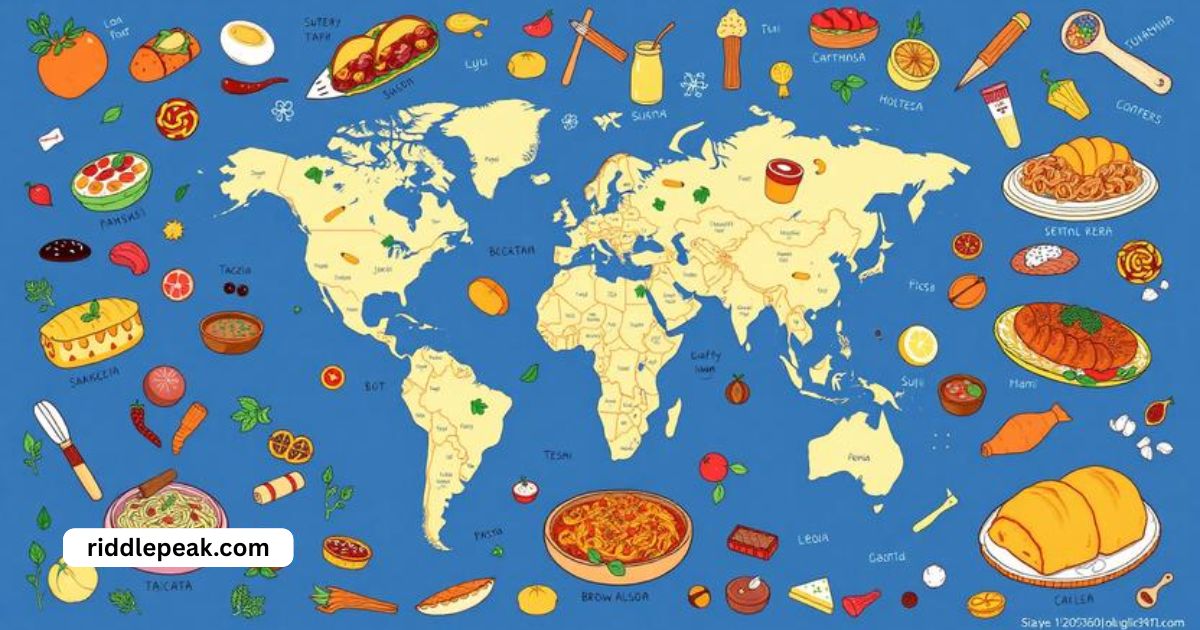
Around the World Food Riddles (Ages 7–12)
Global food riddles combine culinary exploration with geography, culture, and history — making them perfect for social studies integration and expanding children’s palates through curiosity.
Difficulty ratings are subjective and based on average audience feedback.
Funny Food Riddles and Puns (Ages 5–12)
Food puns are among the most universally beloved category of humor for children — the combination of a familiar food and an unexpected wordplay moment creates reliable, repeatable laughter. After testing these at lunch tables, family dinners, and classroom snack times, these riddles consistently generated the highest “tell me another one!” response.
Difficulty ratings are subjective and based on average audience feedback.
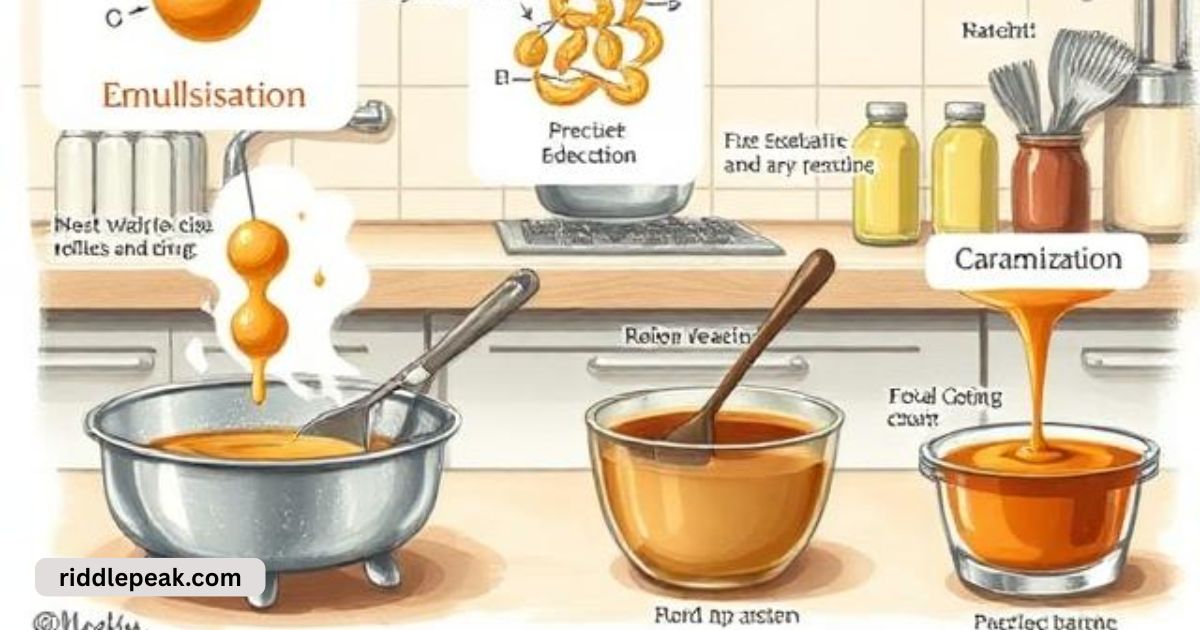
Food Science Riddles — The “Why” Behind What We Eat (Ages 8–14)
This section is unique among all food riddle collections online — it combines culinary science facts with the riddle format, making each answer a genuine learning moment. After using these with older elementary and middle school students who described themselves as “bored by food topics,” these science-grounded riddles generated consistent curiosity and follow-up questions.
Difficulty ratings are subjective and based on average audience feedback.
Hard Food Riddles and Brain Teasers (Ages 9–14)
These riddles require either deeper knowledge of food, culture, or history — or more complex logical thinking. They’re perfect for gifted learners, competitive dinner table challenges, and classroom riddle competitions.
Difficulty ratings are subjective and based on average audience feedback.
“Not Really Food” Trick Riddles (Ages 6–12)
These riddles use food-adjacent vocabulary to misdirect solvers toward edible answers — but the real answer is something else entirely. After testing these with groups of children ages 6–12, these consistently generated the most triumphant “I knew it!” reactions when children resisted the obvious food answer.
Difficulty ratings are subjective and based on average audience feedback.
More Food Riddles — Mixed Categories (Riddles 121–170)
Riddles 151–170 — Mixed Food Categories
How Can I Use Food Riddles at the Dinner Table?
After years of testing food riddles as family mealtime activities, five formats have proven most reliably effective across different family compositions and age ranges.
The One Riddle Per Course format is the simplest. Ask one riddle before the first course, one with the main course, and one with dessert. Each riddle is about the food being served — a broccoli riddle when broccoli is on the table, a pasta riddle when pasta is served. Children’s engagement with the food itself increases dramatically when they’ve just solved a riddle about it.
The Kitchen Guessing Game works during meal preparation. Ask riddles about ingredients as you’re using them — while chopping onions, ask the onion riddle; while mixing eggs, ask the egg riddle. The riddle transforms a cooking session into interactive learning.
The Restaurant Menu Challenge is perfect for eating out. Before ordering, each family member must solve a riddle about a dish on the menu to be “allowed” to order it. This builds menu literacy, vocabulary, and food vocabulary in an organic way.
The Weekly Riddle Challenge posts a new food riddle on the refrigerator every Monday. The first family member to solve it gets to choose one element of dinner that week — the vegetable, the dessert, or the appetizer.
The Lunchbox Note format tucks a food riddle on a card into a child’s lunchbox, with the answer on the back. Children return home excited to share whether they solved it, and often teach the riddle to their friends. After incorporating this with parent groups, it became the most consistently praised family connection activity — a simple card creating a bridge between the school day and home.
Conclusion
From the simplest “I’m yellow, I’m curved, and I come in a bunch — what am I?” that makes a toddler shout “BANANA!” to the complex food science brain teasers about the Maillard Reaction, umami, and enzymatic browning that challenge curious older kids and adults, food riddles for kids offer something genuinely irreplaceable: a bridge between curiosity and the kitchen.
Bookmark this page for your next family dinner, classroom snack time, lunchbox note, or cooking class. Share it with a parent who’s struggling to get their child interested in trying new foods, or a teacher who wants to make health class actually engaging. And if one of these riddles — or their surprising food facts — makes it into your family’s regular dinnertime conversation, that’s the very best possible outcome.
FAQ
What Are Some Easy Food Riddles For Kids With Answers?
Easy food riddles for kids include: “I’m red or green, I grow on a tree — an old saying says one of me a day keeps the doctor away. What am I?” (Apple) and “I have to be broken before you can eat me — I’m oval, white or brown, and I keep a yellow sun inside. What am I?” (Egg). The best easy food riddles use familiar foods with vivid, direct clues that children ages 4–8 can solve confidently. Single-clue or two-clue riddles using color, shape, and taste work best for the youngest children.
What Are Funny Food Riddles That Kids Love?
The funniest food riddles combine food vocabulary with unexpected wordplay: “Why did the banana go to the doctor? Because it wasn’t peeling well!” (peel/feel pun), “What do you call cheese that isn’t yours? Nacho cheese!” (nacho = not your), and “Why don’t eggs tell jokes? They’d crack each other up!” (crack = laugh + crack an egg). Children ages 5–12 consistently respond most to puns that use food vocabulary in double-meaning ways — the “click” of the double meaning creates a satisfying, shareable laugh.
How Can I Use Food Riddles At The Dinner Table?
The most effective dinner table formats include: One Riddle Per Course (ask a riddle about each dish as it’s served), the Kitchen Guessing Game (riddles about ingredients during cooking), the Restaurant Menu Challenge (solve a riddle about a dish to “earn” the right to order it), the Weekly Riddle Challenge (refrigerator-posted weekly food riddle), and Lunchbox Notes (riddle card tucked into the lunchbox). The most consistently praised format is the lunchbox note — parents report children coming home excited to share whether they solved it and teach it to friends.
What Are Food Riddles Based On Fruits And Vegetables?
The best fruit and vegetable food riddles use distinctive physical features as clues: “I’m red and tiny, and my seeds are on the outside — what am I?” (Strawberry — the only fruit with seeds on the outside), “I look green but when you open me I’m red inside — what am I?” (Watermelon), and “I’ll make you cry when you cut me — but I’m not sad. I’m layered like a book. What am I?” (Onion). Fruit and vegetable riddles work particularly well when a real fruit or vegetable is available for children to examine while guessing — connecting the riddle to a physical, multisensory experience.
What Are Hard Food Riddles That Challenge Older Kids?
The most challenging food riddles embed food science and history: “I’m the chemical reaction that gives bread its golden crust, steak its sear, and coffee its depth — what am I?” (The Maillard Reaction), “I’m the world’s most expensive spice — it takes 150,000 of me to make one kilogram, and I come from the stigmas of a purple flower — what am I?” (Saffron), and “I’m a condiment made from fermented fish sauce that was brought from Southeast Asia to Europe and turned into a tomato-based condiment in America — what am I?” (Ketchup). These reward older children who read labels, cook with parents, or enjoy food documentaries.