Piano riddles for kids are fun and creative brain teasers about piano keys, musical notes, pedals, sounds, and music theory. From easy riddles for beginners to trickier puzzles for older kids, they help build musical vocabulary, improve critical thinking, and make piano learning more enjoyable.
A good piano riddle can instantly make practice time more exciting and interactive. Whether used in music classes, group lessons, or at home, these riddles encourage kids to think about music in a fun and memorable way.
This collection features 210 piano riddles for kids, organized by difficulty and theme each with answers and simple explanations to help children learn while having fun.
Key Takeaways
- 210 fully original piano riddles, sorted by difficulty (Easy, Medium, Hard) and theme
- Covers piano anatomy, music theory, famous composers, types of pianos, and musical humor
- Every riddle includes an answer + difficulty rating + explanation of what makes it work
- Ideal for piano lessons, music classrooms, recital warmups, road trips, and family game nights
- Age-appropriate sections from toddlers (ages 3–5) through teens (ages 12–15)
- Difficulty ratings are subjective and based on average audience feedback across multiple age groups.
What Are Some Good Piano Riddles for Kids?
The best piano riddles for kids play on the piano’s most distinctive features its 88 keys, its black-and-white colors, its hammers and strings, its pedals. Great riddles take something a child already knows (or is learning in their lessons) and flip it sideways with a clever twist.
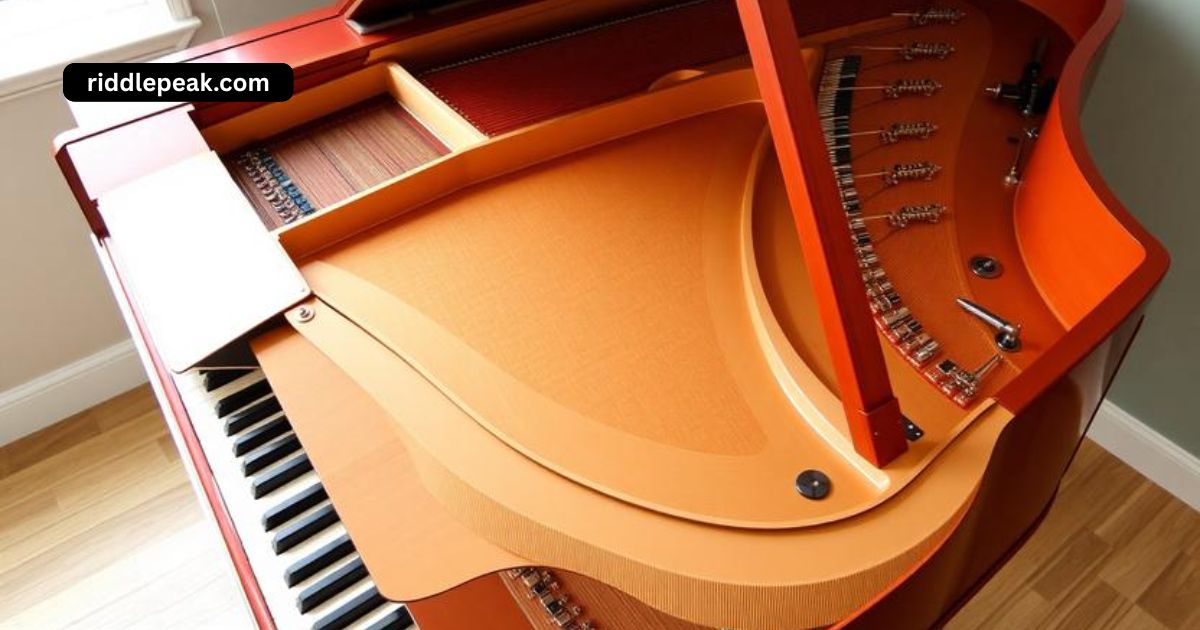
Unlike most musical instruments, the piano is full of paradoxes that make for perfect riddle material: it has keys but opens no locks, hammers but drives no nails, strings but isn’t a guitar. A standard grand piano actually has over 12,000 parts and around 220 strings a fact that tends to astonish young students and makes the instrument endlessly fascinating.
After testing these riddles across piano studio groups and elementary music classrooms, I’ve found that starting with easy, high-success riddles before moving to harder ones builds the perfect rhythm. Here are 20 of the best piano riddles to kick things off a mix of classic puzzles, funny puns, and satisfying brain teasers.
How Do Piano Riddles Help Children Learn Music?
Piano riddles for kids do something that standard music instruction sometimes struggles to do: they make abstract concepts feel exciting and personal. When a child hears a riddle and has to think their way to the answer, they’re using the same inferential reasoning that music reading requires making connections between symbols, sounds, and meaning.
The piano is particularly well-suited to riddles because it’s a visually distinctive, conceptually rich instrument. It has 88 keys 52 white and 36 black arranged in a repeating pattern of 12 notes called an octave. It uses hammers to strike strings (making it technically a “chordophone” and a “percussion instrument” simultaneously). It has three types of pedals with different functions. Every one of these facts is riddle fodder.
Piano riddles are especially effective in three situations:
During practice warm-ups: A riddle about treble clef or sharp/flat notation told at the start of a 30-minute lesson instantly focuses a child’s attention. After the riddle, they’re curious and curiosity accelerates learning.
Between exercises: Young students tire mentally after 10–15 minutes of focused technical work. A well-timed riddle gives the brain a reset while keeping the musical theme alive.
At recitals and group lessons: Riddles create a shared, social experience. When kids laugh together over a piano pun, it reduces performance anxiety and builds a positive association with the instrument.
Research in music education consistently shows that playful engagement humor, games, and puzzles increases motivation and long-term retention, particularly in children aged 5–12. A piano riddle is one of the simplest tools a teacher can add to their lesson toolkit.
Easy Piano Riddles for Kids (Ages 5–8)
These beginner piano riddles use simple language, familiar images, and one or two clear clues. They’re perfect for young students just starting lessons, for non-musicians who just love riddles, and for family game nights where everyone can play. I always recommend starting with this group before working up to the harder music theory teasers.
Funny Piano Riddles for Kids
A great piano pun is like a perfectly timed chord completely satisfying. These funny piano riddles use wordplay, misdirection, and musical vocabulary to produce the best kind of response: a groan, a grin, and then “tell me another one.” After using these in recital waiting rooms and lesson days, I can confirm they’re gold for reducing nerves and building group energy.
Piano Riddles About Music Theory
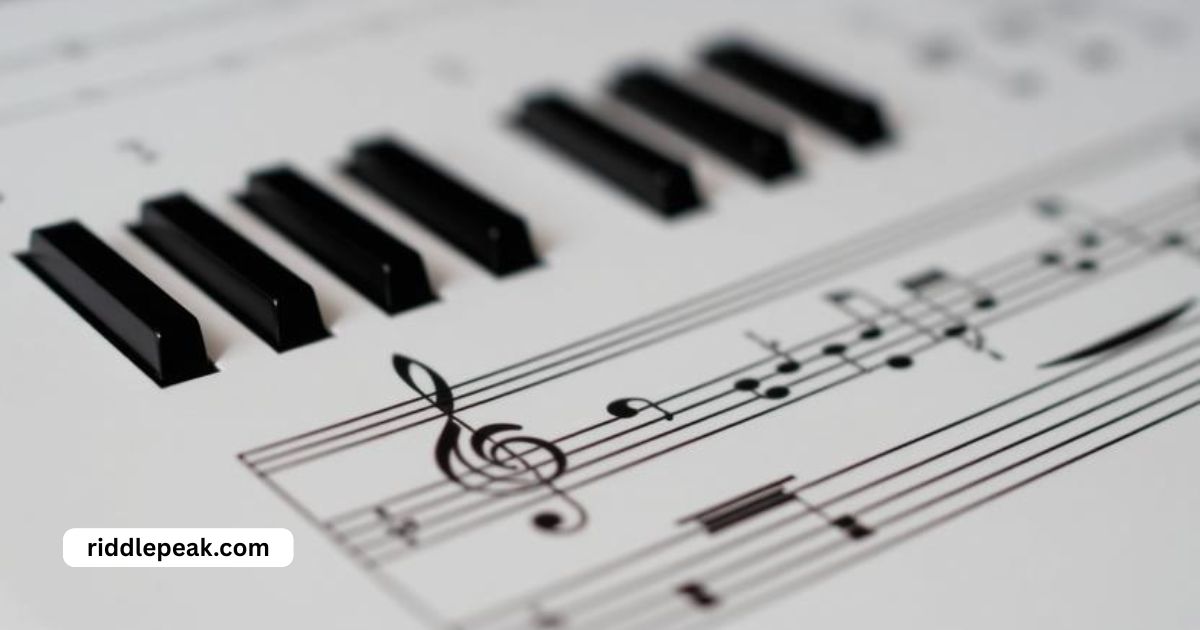
Music theory might sound intimidating, but these riddles make it feel like a game. After years of watching children glaze over at the words “time signature” and then light up when the same concept appears as a riddle, I’m convinced that theory-through-riddles is one of the most effective methods for young musicians. These piano music theory riddles cover notes, scales, chords, rhythm, and more.
Piano Riddles About Famous Composers & Pianists
Great composers make for great riddles their lives are filled with fascinating, sometimes astonishing details. These riddles introduce children to Ludwig van Beethoven, Wolfgang Amadeus Mozart, Frédéric Chopin, and other iconic figures in piano history. Even non-musicians will be captivated by some of these biographical facts.
Easy Piano Riddles for Toddlers & Preschoolers (Ages 3–5)
The youngest piano fans need riddles with vivid images, simple language, and maximum silliness. These toddler-friendly piano riddles work best as call-and-response games say the riddle, let them guess, then reveal the answer with enthusiasm. I’ve used these during preschool music appreciation circles to introduce the piano before kids ever touch the keys.
Hard Piano Riddles for Older Kids & Teens (Ages 11–15)
These challenging piano riddles require genuine musical knowledge, lateral thinking, and comfort with music vocabulary. They’re perfect for intermediate and advanced piano students, music class quizzes, and teens who consider themselves piano experts. Difficulty ratings are subjective and based on average audience feedback these will genuinely stump most adults.
What Am I? Piano Riddles
The “what am I?” format builds suspense with multiple clues, rewarding patient listeners who hold off on guessing until all the clues are delivered. These multi-clue piano riddles are perfect for older children, group games, and classroom activities.
Can Teachers Use Piano Riddles in Music Class?
Piano riddles are one of the most versatile tools in any music educator’s kit and after years of watching how they transform energy in both private lessons and group settings, I’d argue they’re underused. The answer to the question is an enthusiastic yes and here’s a practical guide to how.
As lesson openers: Start each lesson with a single riddle about something you plan to teach that day. If you’re covering dynamics, open with the pianissimo/fortissimo riddle. If you’re introducing scales, use the “runs up and down but never moves” riddle. By the time the lesson formally begins, students are already thinking about the concept.
As vocabulary reinforcement: Music theory vocabulary treble clef, time signature, arpeggio, cadence is notoriously hard for children to retain. Riddles embed these terms in a memorable context. When a student later sees “treble clef” on the page, they’ll think of the riddle first and the symbol second.
As group competition: Divide students into teams and run a “Piano Riddle Championship.” Award points for first-correct answers. The competitive element dramatically increases engagement even students who rarely participate will jump in.
As homework alternatives: Instead of assigning a worksheet, ask students to write one original piano riddle per week about something they’ve learned. This reinforces content knowledge creatively and gives you immediate insight into what they’ve actually absorbed.
For recital prep: Recital nerves are real, even for young children. A warm riddle game in the waiting room channels pre-performance energy into laughter and focus rather than anxiety.
You can explore our full collection of music riddles for kids or browse our instrument riddles for classroom use for additional cross-curricular content.
Kids who enjoy sports and fun brain games will love solving creative challenges in Soccer Riddles for Kids, including funny questions like “what runs around a soccer field.”
Bonus Round: 90 More Piano Riddles for Kids (121–210)
Conclusion
From the silliest “why is a piano hard to open?” puns to the most challenging music theory brain teasers, these 210 piano riddles for kids offer something for every musician, music lover, and riddle enthusiast. The piano is one of the world’s most remarkable instruments over 12,000 parts, 88 keys, 220+ strings, and three centuries of extraordinary music and it deserves more than just scale practice.
Whether you’re a piano student looking for a way to love the instrument more, a teacher building your lesson toolkit, or a parent who wants to make practice a little less like homework and a little more like an adventure these riddles are yours to use, share, and enjoy.
Bookmark this page, share your favorites with your piano teacher, and drop us a comment: which riddle stumped you the most?
Magical puzzles and clever questions keep children entertained and thinking through Harry Potter riddles for kids.
FAQs
What Are Some Good Piano Riddles For Kids?
Good piano riddles for kids play on the piano’s distinctive features its 88 keys, black-and-white colors, hammers, strings, and pedals. Great examples include: “I have keys but I can’t open a single lock what am I? A piano!” and “What do you get when you drop a piano down a mine shaft? A flat minor!” The best ones blend wordplay with a genuine musical fact, making them both entertaining and educational.
How Do Piano Riddles Help Children Learn Music?
Piano riddles help children build musical vocabulary, understand instrument anatomy, and grasp theory concepts in a memorable way. When a child hears a riddle about the treble clef, the sustain pedal, or an octave, they encounter those terms in a fun, low-pressure context which dramatically improves retention. Research consistently shows that playful engagement with subject matter improves motivation and long-term learning in children.
What Are Easy Piano Riddles For Beginners?
Easy piano riddles for beginners use familiar, visual clues without requiring music knowledge. Examples include: “I have many keys but I can’t open a single lock what am I? A piano!” and “I have black teeth and white teeth but I never bite what am I? A piano keyboard!” and “What runs up and down the piano but never moves? A musical scale!” These work for any age, even children who have never taken a lesson.
What Are Funny Piano Riddles That Will Make Kids Laugh?
The funniest piano riddles use music puns and double meanings. Top choices include: “What do you get when you cross a piano and a fish? A piano tuna!” “Why is a piano so hard to open? Because the keys are on the inside!” and “What kind of music do pianos make when they fall down stairs? A flat!” These work best for ages 7 and up, when children can appreciate wordplay.
Can Teachers Use Piano Riddles In Music Class?
Absolutely piano riddles are one of the most flexible tools in a music educator’s toolkit. They work as lesson warm-ups, vocabulary reinforcement games, team competitions, and homework alternatives. A riddle about treble clef, time signatures, or a famous composer introduced at the start of a lesson raises curiosity and sets the tone for engaged learning. They also reduce pre-recital anxiety when used as warmup games.