
New Year riddles are festive brain teasers about countdowns, fireworks, and fresh starts. They bring fun, laughter, and learning to parties, classrooms, and family celebrations.
After using these riddles at events, one thing is clear: they instantly break the ice and get everyone involved. This collection of 150 New Year riddles, organized by theme and difficulty, is perfect for entertaining and challenging all ages.
What Are Some Easy New Year Riddles for Kids?
The new year has been celebrated on January 1st since 46 BC, when Julius Caesar introduced the Julian calendar and designated January — named after Janus, the Roman god of beginnings and doorways — as the first month of the year. Children who solve riddles about fireworks, party hats, and the midnight countdown are unknowingly connecting with a tradition that spans more than two millennia.
These easy new year riddles are perfectly sized for young solvers — ages 5 through 9 — with short clues, vivid imagery, and satisfying “aha!” moments that arrive fast enough to keep energy high throughout the entire evening.
Easy New Year’s Eve Riddles (Ages 5–8)
More Easy New Year Riddles (Ages 6–9)
What Funny New Year Riddles Will Make Everyone Laugh?
A New Year’s party without laughter is just a very late dinner. The best funny new year riddles work because they use the double meanings of party-themed words — “resolution,” “countdown,” “ball drop,” “midnight,” “ring in the new year” — in ways that first mislead, then surprise. After years of running riddle rounds at holiday gatherings, the ones below consistently produce the most groans, giggles, and “I should have seen that coming!” moments.
The humor technique at work here is almost always misdirection — setting up an expectation through familiar language, then delivering a punchline that pivots on an entirely different meaning of the same word. It’s the same structure stand-up comedians use, which is why riddles feel like mini-jokes when they land well.
Funny New Year’s Riddles (All Ages)

What New Year Riddles Work Well for a Classroom or Party?
Teachers and party hosts share a common challenge: they need riddles that work for a mixed-age group, create conversation rather than division, and deliver both education and entertainment simultaneously. The best classroom new year riddles tie directly to curriculum topics — calendar math, world geography, history, and cultural studies — while feeling festive enough for a holiday celebration.
At classroom NYE parties, using riddles as a structured game (teams competing for points, one riddle per team per round) is far more effective than simply reading them aloud. After organizing dozens of classroom activity sessions, the format that produces the highest engagement is: read the riddle twice, give 30 seconds of silent thinking, then allow team discussion before revealing the answer and explanation.
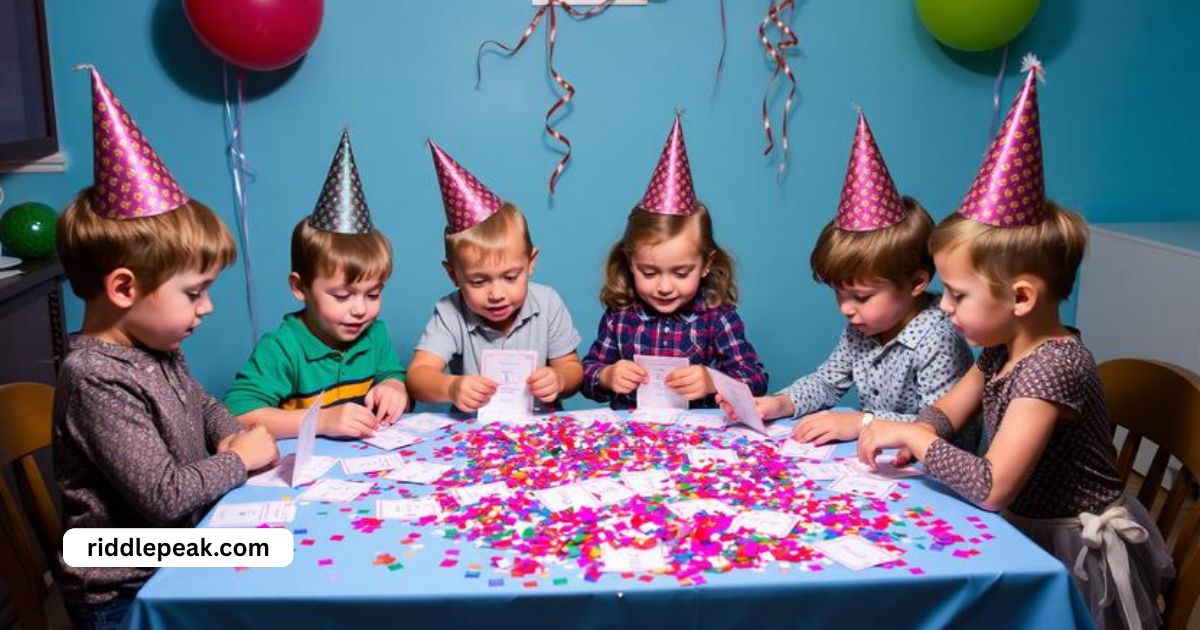
New Year Party and Classroom Riddles (Ages 8–12)
Are There Tricky New Year Riddles for Adults?
Seasoned riddle solvers need more than simple descriptions to stay challenged. These tricky new year riddles for adults blend wordplay with logic, calendar mathematics with cultural references, and misdirection with lateral thinking. They are perfect for NYE trivia rounds, after-dinner brain teasers, and any setting where adults want to feel genuinely tested before they raise their glasses at midnight.

Tricky and Hard New Year Riddles (Ages 13+)
New Year Riddles About Resolutions and Fresh Starts
The tradition of New Year’s resolutions dates back to ancient Babylon, where citizens made promises to their gods during the 12-day festival of Akitu — promising to return borrowed items and pay debts as a way of starting the new year with a clean moral slate. The modern resolution tradition is one of the world’s most universal and simultaneously most reliably abandoned habits. These riddles honor both the aspiration and the humor of the annual promise-making ritual.
Resolution and Fresh Start Riddles (Ages 10+)
Chinese New Year and Global New Year Riddles
New year celebrations are among the most culturally diverse traditions on Earth. While the Gregorian New Year on January 1st is the most globally observed, dozens of other New Year traditions are celebrated worldwide — each with its own symbols, foods, rituals, and folklore. This section honors that diversity, with riddles that bring the richness of global New Year celebrations into the conversation.
The Chinese Lantern Festival tradition of riddles — called “caideng謎” or lantern riddles — dates back to the 13th century, when scholars wrote puzzles on paper slips attached to lanterns. Solving a lantern riddle during the Lantern Festival was considered a sign of wisdom and earned the solver a small prize. This tradition connects riddle-solving directly to New Year’s celebration in one of the world’s oldest continuous cultures.

Kids can improve thinking skills and enjoy holiday fun with creative puzzles and seasonal challenges in 150 Easter Riddles With Answers!
Global and Chinese New Year Riddles (All Ages)
Countdown and Clock New Year Riddles
The countdown to midnight is the emotional climax of every New Year’s Eve celebration — ten seconds of collective breath-holding that transforms a group of individuals into a unified community. These riddles explore time, clocks, countdowns, and the mechanics of how we measure the year.
What Are Some New Year Riddles About Resolutions and Fresh Starts? — Bonus Riddles 91–150
Here is the extended collection — covering fireworks, parties, clock-themed wordplay, global traditions, and more — perfect for rapid-fire party rounds, classroom activities, and family game nights.

Mixed New Year Riddles (106–150) — Quick-Fire Bonus Round
Kids can improve logical thinking and have fun solving clever puzzles in Tricky Time Riddles With Answers and Time Riddles for Kids.
How to Use New Year Riddles at Parties, in Classrooms, and with Family
After running new year riddle rounds at everything from kindergarten classroom parties to adult NYE dinner gatherings, a few strategies consistently produce the best results.
For NYE parties with mixed ages: Alternate between easy and hard riddles. Start with an easy one to build confidence and group energy, then challenge with a harder riddle. The contrast creates natural “pass the torch” moments where different ages shine at different times.
For classroom New Year’s parties: Use riddles tied to curriculum topics — calendar math, world geography, and cultural studies. Pair the global traditions riddles with a world map, letting kids find each country mentioned. Each correct answer earns a sticker or token; the team with the most tokens at the end wins the round.
For family game night on December 31st: Turn riddles into a countdown activity — solve one riddle per hour in the lead-up to midnight. The last riddle is revealed at 11:59 PM, and the answer is shouted together as the clock strikes twelve.
For bedtime on December 31st (younger children): Choose 5–10 of the easiest riddles from the “easy” section and frame them as a bedtime countdown story. The child who solves the most riddles gets to lead the family countdown at midnight (or at a kid-appropriate “fake midnight” earlier in the evening).
You can extend this activity with Holiday Brain Teasers for Kids — a collection of seasonal riddles spanning the entire holiday period from Thanksgiving through New Year’s Day.

Conclusion
From the ancient Babylonian Akitu festival to the neon glow of Times Square, human beings have always greeted the new year with ceremony, laughter, and a spirit of hopeful beginning. These 150 new year riddles are a small addition to that ancient tradition — a way of making the countdown more memorable, the party more engaging, and the first moments of January a little bit more fun.
Bookmark this page for your New Year’s Eve countdown, share it with a teacher planning a classroom celebration, or pull it out at your family’s midnight table. Here’s to a year filled with clever questions, unexpected answers, and all the right moments to laugh out loud.
FAQ Section
What Are Some Easy New Year Riddles For Kids?
Easy new year riddles for kids use simple clues about fireworks, party hats, countdowns, clocks, and calendars. Great examples include riddles about the Times Square Ball Drop, New Year’s resolutions, the song Auld Lang Syne, and the first day of January. These work best for children aged 5–9 and are ideal for classroom New Year’s parties and family game nights.
What Funny New Year Riddles Will Make Everyone Laugh?
The best funny new year riddles use the double meanings of festive words — “burning out,” “popped,” “counting down,” “ball drop” — to deliver punchlines that first mislead, then surprise. They work because they connect the familiar language of New Year’s celebrations to completely unexpected second meanings. They are perfect as icebreakers at adult NYE parties and as classroom energizers.
What New Year Riddles Work Well For A Classroom Or Party?
For classrooms and parties, the best new year riddles tie to curriculum topics or cultural traditions — global New Year celebrations, calendar mathematics, time zone geography, and the history of the Gregorian Calendar. Medium-difficulty riddles that require connecting two facts generate the most discussion and team engagement. Using teams with point-scoring creates competitive, high-energy rounds.
Are There Tricky New Year Riddles For Adults?
Yes — the hardest new year riddles for adults cover the December 31st birthday paradox, the history of the Julian vs. Gregorian Calendar, global cultural traditions (Hogmanay, Nowruz, Akitu), time perception psychology, the Y2K phenomenon, and philosophical questions about time itself. These are ideal for adult NYE trivia rounds, dinner party brain teasers, and anyone who enjoys a genuine intellectual challenge alongside their midnight toast.
What Are Some New Year Riddles About Resolutions And Fresh Starts?
Resolution riddles are among the richest genre of new year riddles — exploring the universal human experience of making ambitious promises and navigating the gap between intention and action. The best ones reference the Fresh Start Effect (documented psychological research), the historically low success rate of resolutions, and the perpetually renewable hope that makes January 1st feel like a genuine opportunity every single year.